
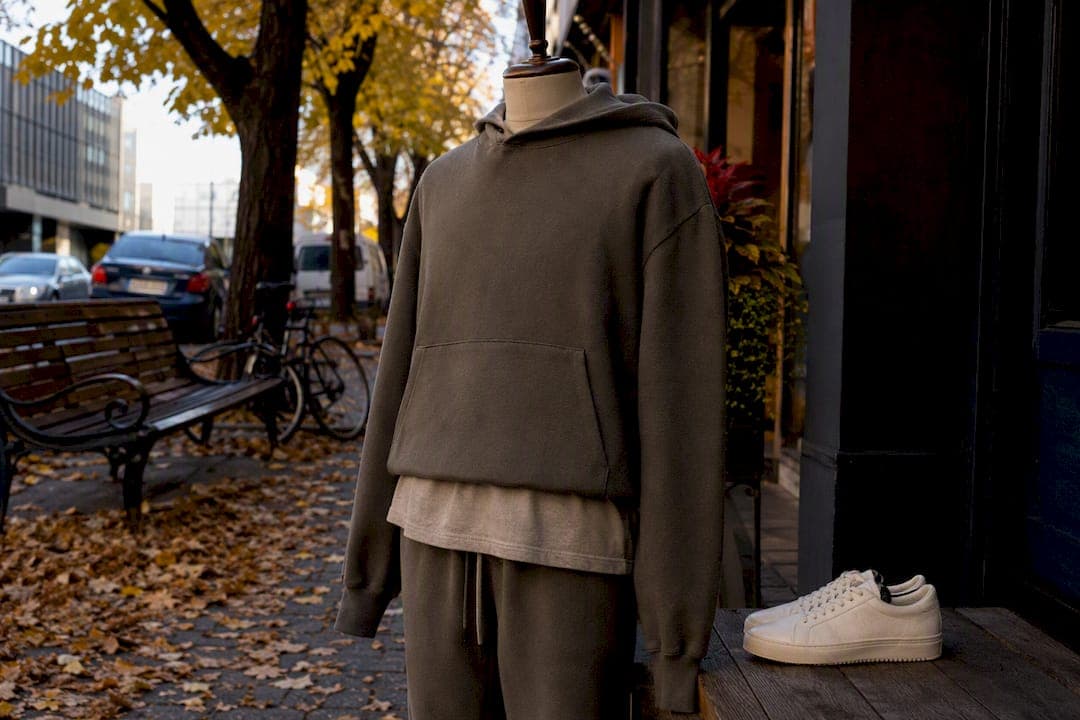
A reliable minimal streetwear outfit follows one formula: top, relaxed bottom, clean sneakers, one accessory, all in a neutral palette. That's it. No hunting for the perfect graphic tee, no debating logo placement. Build around five pieces and the rest of your wardrobe decisions get a lot easier.
Those five pieces are:
- A neutral heavy-weight tee
- A hoodie or heavyweight sweatshirt
- Relaxed denim or utility bottoms
- Clean, low-profile sneakers
- Lightweight outerwear in a matching tone
The whole approach works because of three things: fit, fabric, and proportion. Get those right and a plain gray tee looks more expensive than a shirt covered in branding. Get them wrong and even designer pieces read sloppy. Minimalist streetwear isn't about owning less for the sake of it. It's about owning fewer things that actually fit and layer well together.
Key Takeaways
Minimal streetwear works when fewer, well-fitted pieces in neutral tones replace a closet full of logos and one-off trend items.
| Point | Details |
|---|---|
| Follow the core formula | Top, relaxed bottom, clean sneakers, one accessory, neutral palette covers most situations. |
| Prioritize fabric weight | Heavier cotton and denser knits hold shape and read as quality without any branding. |
| Balance volume, not color | Pair oversized tops with tapered bottoms and vice versa; save color for one accent piece. |
| Maintain sneakers weekly | Wipe down after wear and rotate two pairs so upkeep never falls behind. |
| Build with intent | Kenny Wade's World cuts tees, hoodies, and bottoms to match the same five core categories in this guide. |
Table of Contents
- What Are the Core Principles of Minimal Streetwear?
- What Pieces Belong in a Minimal Streetwear Wardrobe?
- Ten Minimal Streetwear Outfits You Can Copy Today
- How Do You Style and Layer Minimal Streetwear?
- How Do Color and Fit Details Change a Minimal Outfit?
- How Kenny Wade's World Approaches Minimal Streetwear
- How Do You Care for a Minimal Streetwear Wardrobe?
- Why Discipline Beats Hype in Minimal Streetwear
- Build Your Minimal Wardrobe With Kenny Wade's World
- Sources
What Are the Core Principles of Minimal Streetwear?
Minimalist urban fashion runs on editing, not addition. Stylists often describe the process as subtraction: you strip away logos and loud graphics until the only thing left to judge is fit and fabric. That's a harder discipline than it sounds, because a bold graphic can hide a mediocre cut. Take the graphic away and the seams, the drape, and the proportions have nowhere to hide.
Modern streetwear leans on relaxed and oversized silhouettes paired with high-quality basics instead of branding, which is exactly why the 2026 streetwear style guide treats proportion as the real skill, not the shopping list. Four principles do most of the work:
- Edit before you buy. Every new piece should replace something, not just add to the pile.
- Balance your volumes. An oversized hoodie needs a tapered or straight leg underneath it, not another loose shape.
- Choose weight over decoration. A heavier cotton or a denser knit reads as quality faster than any label does.
- Default to neutral. Black, white, gray, beige, and olive mix freely; anything louder limits your combinations.
Clean, tailored streetwear also leans on material choice. Supima cotton, nylon blends, and heavier-weight knits give simple pieces a refined, minimal feel that cheaper fabrics can't fake, even in the same cut.
Pro Tip: Hold a shirt up to the light. If you can see your hand clearly through the fabric, it's too light for a minimal outfit; heavier weight holds its shape and drapes better.
What Pieces Belong in a Minimal Streetwear Wardrobe?
Build the wardrobe around five categories, and get specific about fabric and cut inside each one.
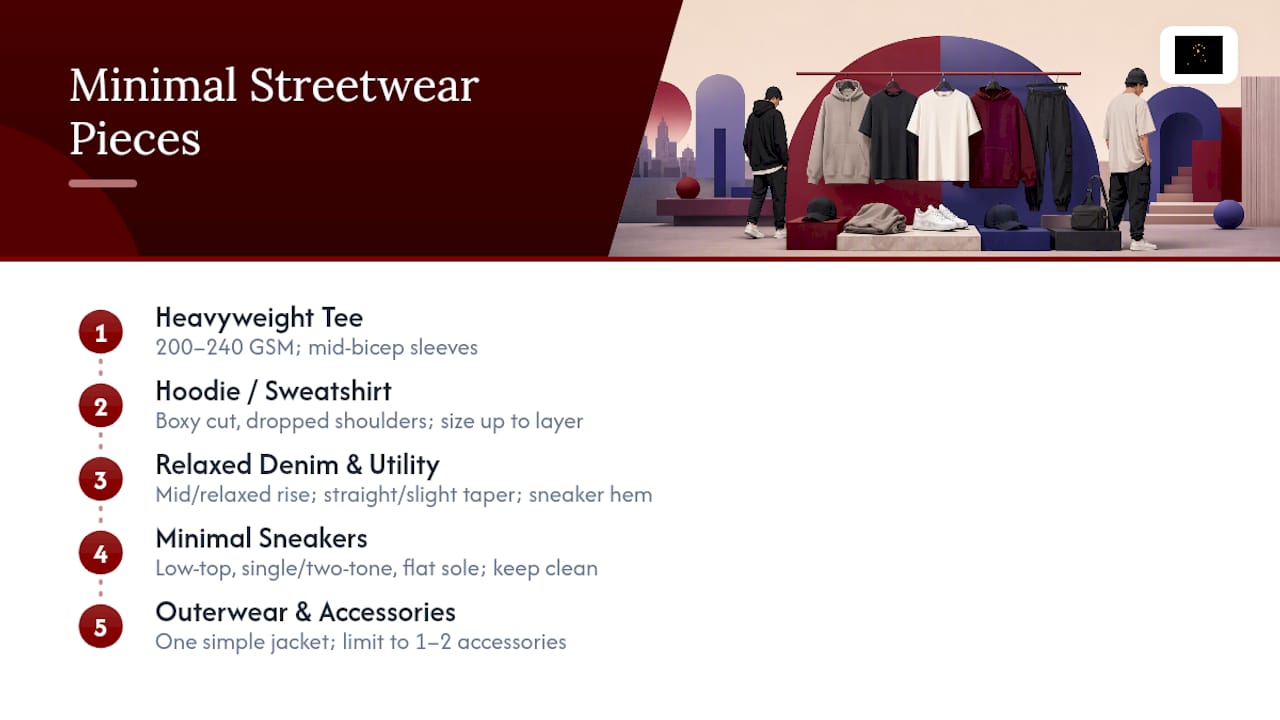
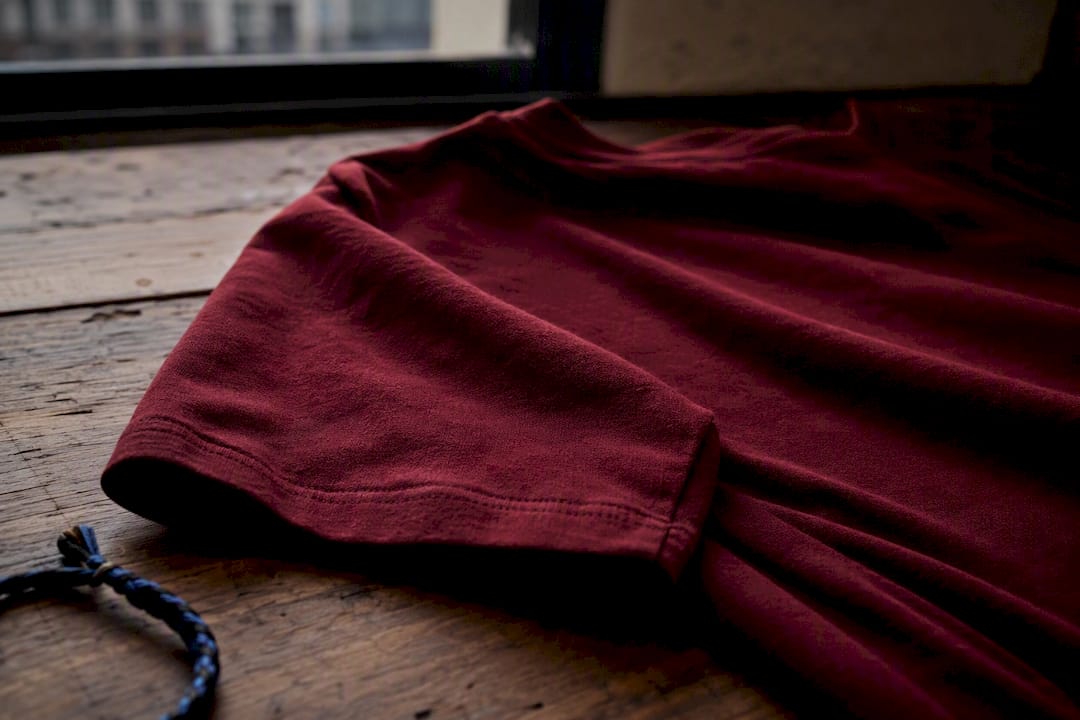
Neutral heavy-weight tee. Look for heavy cotton or Pima/Supima blends around 200 to 240 GSM. Sleeve length should hit mid-bicep, not shoulder, and the hem should sit at or just below the hip. Anything lighter wrinkles fast and loses the clean silhouette by midday.
Hoodie or heavyweight sweatshirt. A boxier cut with dropped shoulders gives you the relaxed drape that defines the look. Size up one from your usual fit if you want extra volume for layering, but keep the shoulder seam from sliding too far down your arm.
Relaxed denim and utility bottoms. Mid to relaxed rise, straight or slightly tapered leg, and a hem that just kisses the top of your sneaker. Cargo and utility pants work the same way as denim here; the cut matters more than the fabric.
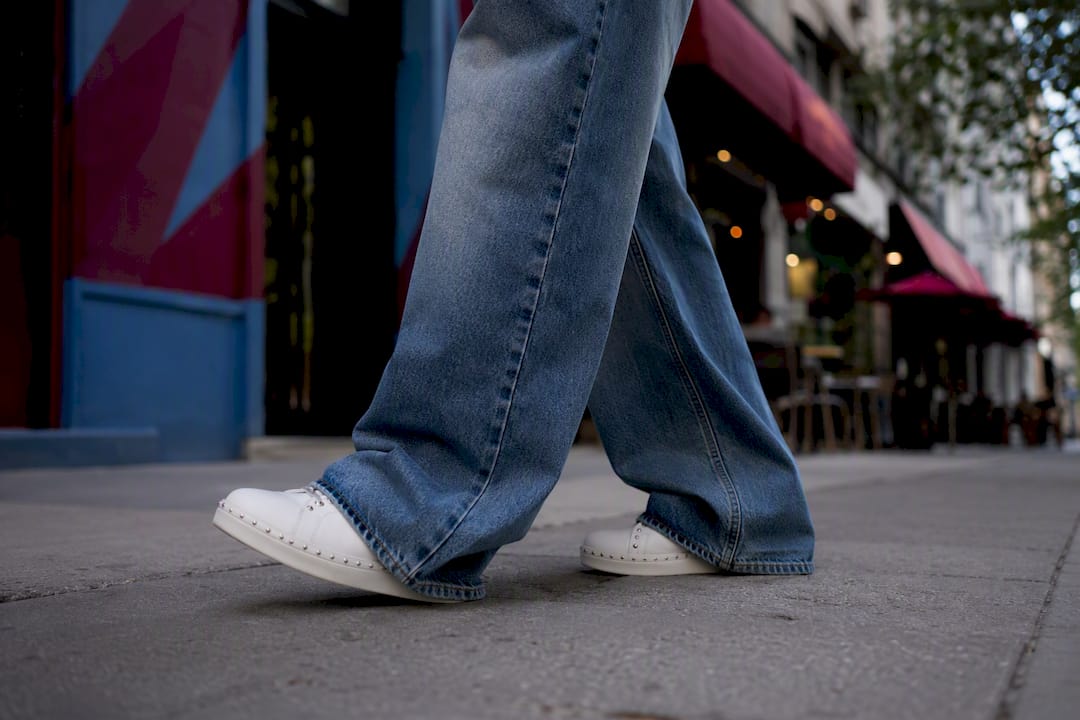
Minimal sneakers. Low-top, single-color or two-tone builds with a flat sole outperform chunky, multi-panel designs in a minimal rotation. White leather is the standard because it pairs with everything, but a clean off-white or gray works just as well. A well-kept pair actually reads as more expensive than a beat-up premium pair.
Outerwear and accessories. A single structured jacket, an unlined coach jacket, or a simple overshirt extends every outfit into cooler weather. Accessories stay limited to one or two pieces: a plain cap, a simple chain, or a crossbody bag, never all three at once.
A small set of high-quality basics like these can generate a wide range of looks on their own, which is the whole point of building this way instead of chasing trend pieces. For a deeper look at how garment structure affects fit, the style catalog at StyleMyCrown breaks down construction details worth knowing before you shop.
Ten Minimal Streetwear Outfits You Can Copy Today
Here are ten outfit recipes built from the same five categories above. Each one swaps just one or two elements from the last.
- The Everyday Fit — White heavy tee, straight gray sweatpants, white low-top sneakers, no accessory. Wear this for errands or a casual work-from-home day.
- Monochrome Basic — Black tee, black relaxed denim, black sneakers, silver chain. Wear it when you want to look put-together without trying.
- Layered Neutral — White tee under a beige overshirt, olive cargo pants, off-white sneakers. Good for transitional weather, roughly 55 to 65 degrees.
- Structured Contrast — Gray hoodie, black tapered joggers, black sneakers, black cap. The dark bottom half grounds the bulkier hoodie on top.
- Elevated Minimal — Cream knit sweater, tan utility pants, white leather sneakers, leather crossbody bag. Works for a dinner or casual date.
- Weekend Layer — Tee, zip hoodie left open, straight denim, gray sneakers. Casual enough for a coffee run, sharp enough for photos.
- Cold Weather Base — Thermal long sleeve, heavyweight hoodie, relaxed cargos, boots instead of sneakers. Swap footwear only when temperatures drop below 40.
- Textured Neutral — Ribbed tee, corduroy utility pants, suede low-tops, no jewelry. Texture replaces color as the visual interest here.
- Sport Minimal — Technical tee, track pants, running-style sneakers, single wristband. Built for movement without sacrificing the clean look.
- Evening Clean — Black turtleneck, black straight trousers, black leather sneakers, silver ring. The most formal version of the formula.
Capsule-week plan: With three tees, one hoodie, two bottoms, one pair of sneakers, and one jacket, you can rotate seven distinct outfits across a week without repeating a single combination twice. That's the actual math behind why fewer, better pieces beat a packed closet.
How Do You Style and Layer Minimal Streetwear?
Layering in minimal streetwear follows a specific order: base layer, mid layer, outer layer. Start with a plain tee, add a hoodie or overshirt as the mid layer, then finish with a jacket for structure. That sequence is what gives depth to an outfit without adding visual clutter, and it's the same approach outlined in guides on building effortless urban outfits.
Volume balance matters as much as the order. Pair an oversized top with tapered or straight bottoms; pair a relaxed bottom with something more structured up top. Two loose pieces together just look like you grabbed whatever was clean.
- Base layer: tee or long sleeve, fitted through the body
- Mid layer: hoodie or overshirt, one size roomier
- Outer layer: jacket or coat with a defined shoulder
Pick one focal point per outfit, usually the shoes or the outerwear, and keep everything else quiet. A bright white sneaker against an all-black fit works because nothing else competes for attention. Letting a hoodie graphic, a patterned jacket, and statement sneakers all fight in the same outfit is the fastest way to break the minimal look.
Pro Tip: Showing an intentional hem or cuff, like a long-sleeve peeking past a hoodie sleeve, adds texture and structure without adding a single extra color.
Swap fabric weight by season rather than swapping the formula. Heavier cotton and fleece in winter, lighter cotton blends in summer, same five categories year-round.
How Do Color and Fit Details Change a Minimal Outfit?
Stick to five anchor tones: black, white, gray, beige, and olive. Pick one accent color at most per outfit, and let it show up in a single piece like a jacket or a pair of sneakers rather than spreading it across two or three items.
Fit tuning separates a good minimal outfit from a great one. A tee hemmed to hit right at the hip reads intentional; one that bunches or balloons past it reads unfinished. The same goes for sleeve cuffs on a jacket. Get a tee taken in half an inch at the shoulder seam if it's fighting your frame, and hem pants so the break sits just above the sneaker rather than pooling at the ankle.
Small details do outsized work here:
- Cuff your sleeves once, not multiple folds
- Half tuck a tee into relaxed bottoms to define a waistline
- Let a base layer hem show slightly under a hoodie for texture
Limiting accessories to one or two items and keeping your sneakers clean are the two most repeated pieces of advice across minimalist streetwear guides, and for good reason. A scuffed white sneaker undoes an otherwise sharp outfit faster than almost anything else you're wearing.
How Kenny Wade's World Approaches Minimal Streetwear
I built Kenny Wade's World around the same discipline this whole guide is about: fewer pieces, better fit, no noise. Music shapes a lot of how I think about clothes. A good verse doesn't need extra words, and a good outfit doesn't need extra graphics.
The goal was never to make the loudest piece in the room. It was to make something you'd actually reach for five days a week, because the fit is right and the fabric holds up.
Our pieces map directly onto the five core categories covered above:
- Heavyweight tees cut for the mid-bicep sleeve and hip-length hem
- Hoodies with the dropped-shoulder drape built for layering
- Relaxed bottoms cut with a hem that sits clean over low sneakers
- Lightweight outerwear meant to be the outfit's one structured piece
You can see more of how this thinking extends into seasonal styling in our fall fashion trends piece, and get a sense of the community around the brand through our social presence.
How Do You Care for a Minimal Streetwear Wardrobe?
Fewer pieces mean each one takes more wear, so care matters more than it does in a packed closet. Wash heavyweight tees and hoodies inside out in cold water to protect the color and the print if there is one; heat and agitation are what break down heavier cotton the fastest.
Skip the dryer when you can. Air drying keeps hoodies from shrinking out of their intended boxy fit, and it protects the drape that makes them look right in the first place. If you have to use a dryer, low heat only.
Denim and utility pants hold up longer with less washing. Spot clean when possible and wash every four to six wears instead of after every use; over-washing is what fades and softens the structured hand-feel that makes relaxed cuts look sharp.
Sneakers need the most consistent attention in a minimal rotation, since a clean pair does more visual work than almost anything else in the outfit. Wipe them down after wear, use a stiff brush on soles, and keep a second pair in rotation so one is never taking all the wear at once.
Store hoodies folded rather than hung to protect shoulder shape, and hang outerwear to keep the structured cut from creasing. None of this is complicated. It's just consistent, and consistency is what keeps a five-piece wardrobe looking sharp for years instead of months.
Why Discipline Beats Hype in Minimal Streetwear
Most advice on this topic treats minimalism like a shopping list: buy a white tee, buy clean sneakers, done. That's incomplete. The pieces matter less than the editing decisions behind them, choosing weight over decoration, proportion over trend, restraint over accumulation.
Where conventional guides fall short is treating every neutral outfit as interchangeable. It isn't. A boxy hoodie over a fitted tee reads intentional; two loose pieces stacked together reads careless, even in the same colors. The fit relationship between pieces is the actual skill, not the color palette everyone already knows to reach for.
If you take one thing from this guide, prioritize fit tuning before you buy anything new. A perfectly hemmed pair of relaxed pants in a color you already own beats a new piece that fights your proportions. Build slow, edit often, and let the fit do the talking instead of the label.
— Kenny
Build Your Minimal Wardrobe With Kenny Wade's World
Kenny Wade's World cuts every piece around the same formula this guide walks through: heavyweight tees, dropped-shoulder hoodies, relaxed bottoms, and outerwear built to layer without extra bulk. You get pieces designed for the fit and fabric rules that make minimal outfits actually work, not just basics with a logo swapped out.
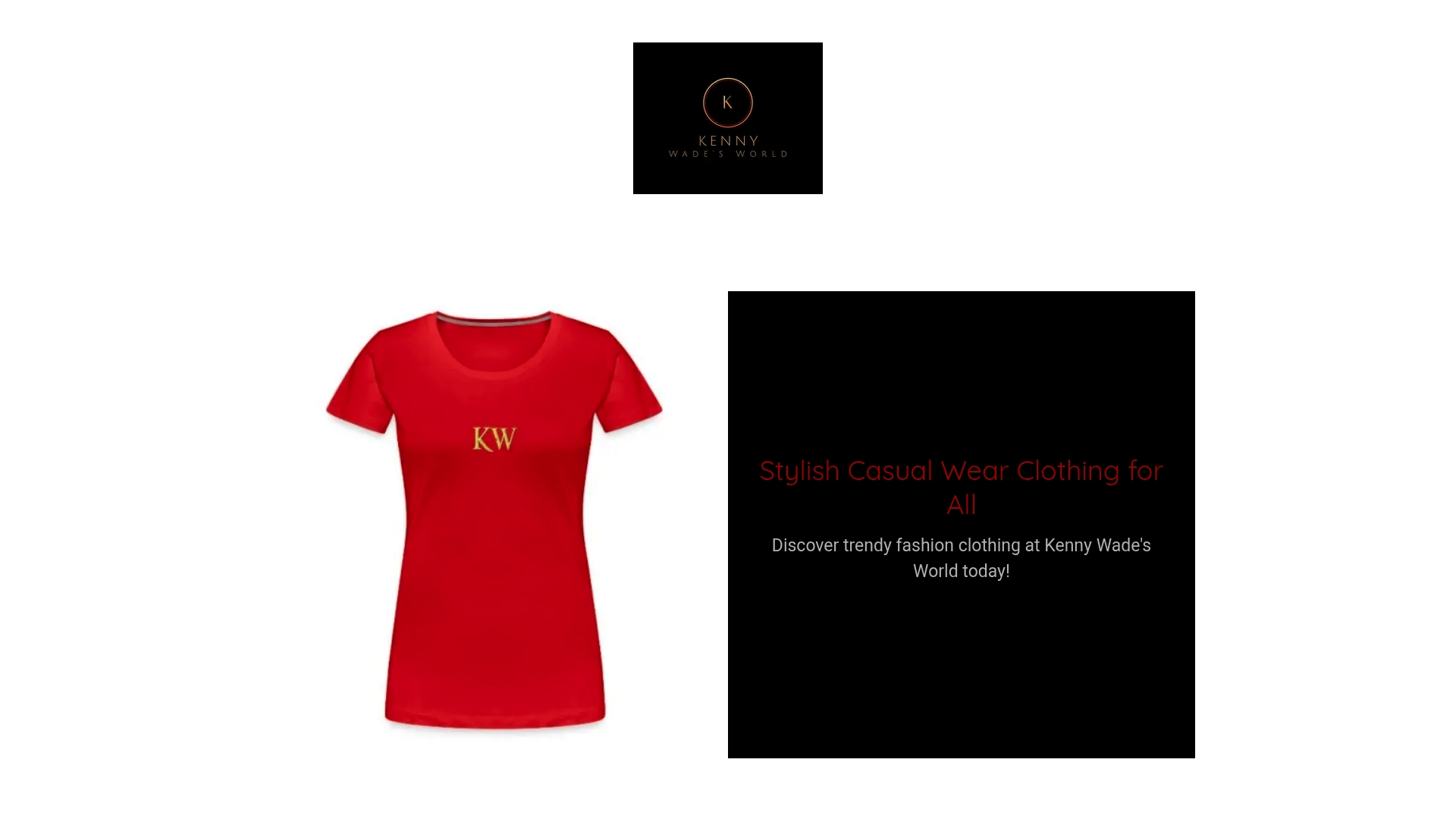
If you've been piecing together a capsule wardrobe from what this guide covers, our catalog gives you a faster starting point. Each piece is built to slot into the five core categories, so building your first seven outfit rotation takes days instead of months of hunting individual brands.
Browse the current lineup and start building your rotation with our step-by-step styling guide as a companion, or head straight to checkout once you've picked your first three pieces.
Sources
- Streetwear Made Simple: How to Create Effortless Urban Outfits | MGBOX
- Streetwear Outfit Ideas for a Clean and Contemporary Look
- Minimalist Streetwear Outfits Men: Simple Style Guide