
Ring-spun cotton beats regular open-end cotton on softness and lifespan in almost every practical test, and combed ring-spun is the safer bet whenever a garment touches skin, gets printed, or needs to survive more than a season of washing. The exception: high-volume promo runs, giveaway shirts, or anything meant to be worn once and forgotten, where open-end cotton's lower cost outweighs the softer hand. For retail tees, pick combed ring-spun; for bath towels, ring-spun improves absorbency and feel; for a 500-unit trade show giveaway, open-end still makes sense.
TL;DR:
- Combed ring-spun cotton offers finer, smoother yarn with greater durability and print clarity, justifying its higher cost in retail and high-quality apparel.
- Open-end cotton is faster and cheaper to produce, producing bulkier, rougher, and less uniform fabric suited for one-time use and promotional items.
- Heavier, high-GSM open-end or uncombed cotton can outperform lightweight ring-spun shirts in durability, especially in towels and workwear.
- Proper care, including cold wash and low-heat drying, minimizes shrinkage and preserves the softness and longevity of both spinning types.
- Always specify yarn count and GSM when sourcing fabric, as these factors most significantly impact fabric performance, regardless of the spinning method.
Table of Contents
- What Is Regular (Carded/Open-End) Cotton?
- What Is Ring-Spun Cotton (And What Does Combing Add)?
- Softness and Texture: Why Ring-Spun Feels Different
- Durability, Pilling, and How Long Each Fabric Lasts
- Shrinkage and Care: Keeping the Softness You Paid For
- Cost vs Value: When the Ring-Spun Premium Pays Off
- What to Actually Buy for Tees, Towels, and Bulk Orders
- Kenny Wade's World's Take on Fabric Sourcing
- Why Most Buying Guides Oversimplify This Comparison
- Shop Kenny Wade's World for Fabric That Matches the Spec
- Sources
What Is Regular (Carded/Open-End) Cotton?
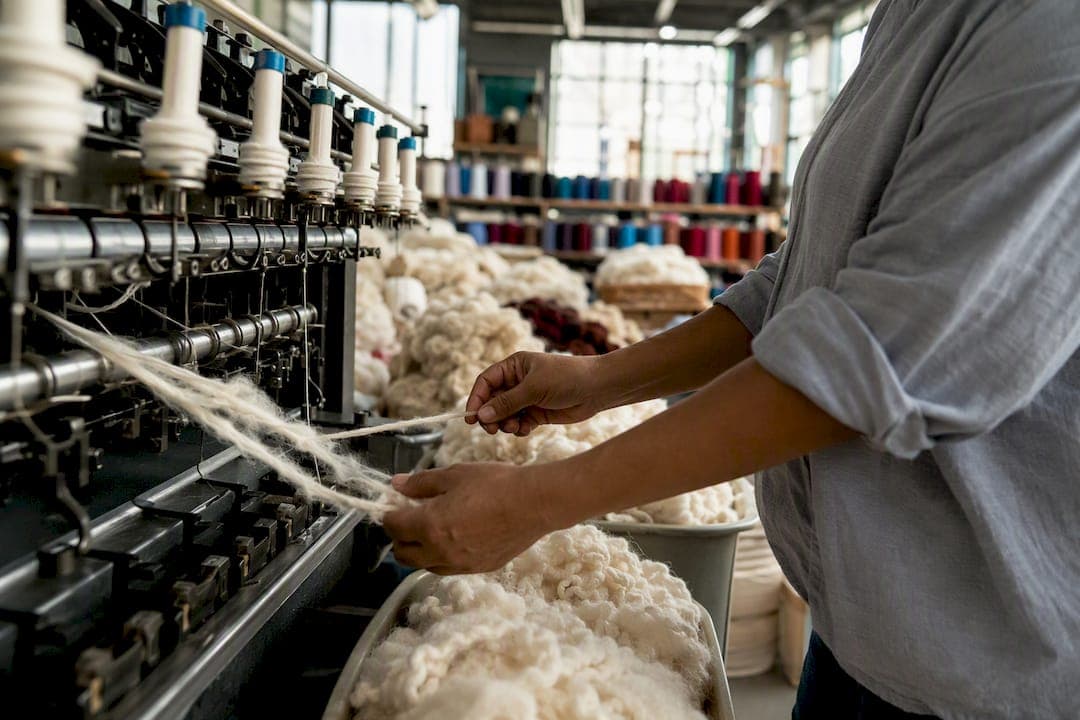
Open-end spinning, sometimes called rotor spinning, feeds loose cotton fibers into a spinning rotor that twists them together without the continuous drafting process ring spinning uses. It's fast and cheap. A single rotor-spinning machine can produce yarn at speeds ring spinning can't match, which is exactly why open-end cotton dominates the bargain end of the apparel market, according to Cotton Incorporated's technical bulletin on spun yarns.
The tradeoff shows up in the yarn itself. Open-end yarn tends to be:
- Bulkier and rounder in cross-section, which gives fabric more visual texture
- Hairier on the surface, since fiber ends aren't pulled into alignment
- Coarser to the touch, especially in lower-count constructions
- Less uniform from batch to batch
That bulk isn't always a flaw. Heavyweight vintage-style tees and thick promo shirts often lean into that rougher, textured drape on purpose.
What Is Ring-Spun Cotton (And What Does Combing Add)?
Ring spinning works differently: fibers get drawn out, twisted continuously, and wound onto a rotating spindle called a traveler, which keeps tension steady and aligns the fibers along the length of the yarn. That continuous twisting is the mechanical reason ring-spun yarn comes out finer and stronger than its open-end counterpart, a distinction CottonWorks explains in detail as part of standard yarn manufacturing.
Combing takes it a step further. Before spinning, a combing machine strips out the shortest fibers and straightens what's left, which is where the phrase "combed ring-spun" comes from. The catch: combing typically removes a measurable share of the raw fiber as waste, according to Simplstc Apparel's breakdown of ring-spun processing, and that lost material is baked into the higher sticker price on combed goods.
What you get for that trade:
- Finer, more consistent yarn counts
- A smoother surface with fewer protruding fiber ends
- Better strength-to-weight, since longer fibers hold together better under tension
- A noticeably higher cost per yard than uncombed open-end yarn
Softness and Texture: Why Ring-Spun Feels Different
Run your hand across a combed ring-spun tee and a basic open-end tee side by side and the difference is immediate. The ring-spun fabric feels smoother and almost silky; the open-end version feels coarser, with tiny fiber ends catching against your fingertips. That sensation isn't subjective marketing language. It comes directly from fiber alignment: ring spinning pulls fibers parallel to each other, while open-end spinning leaves them tangled at random angles.
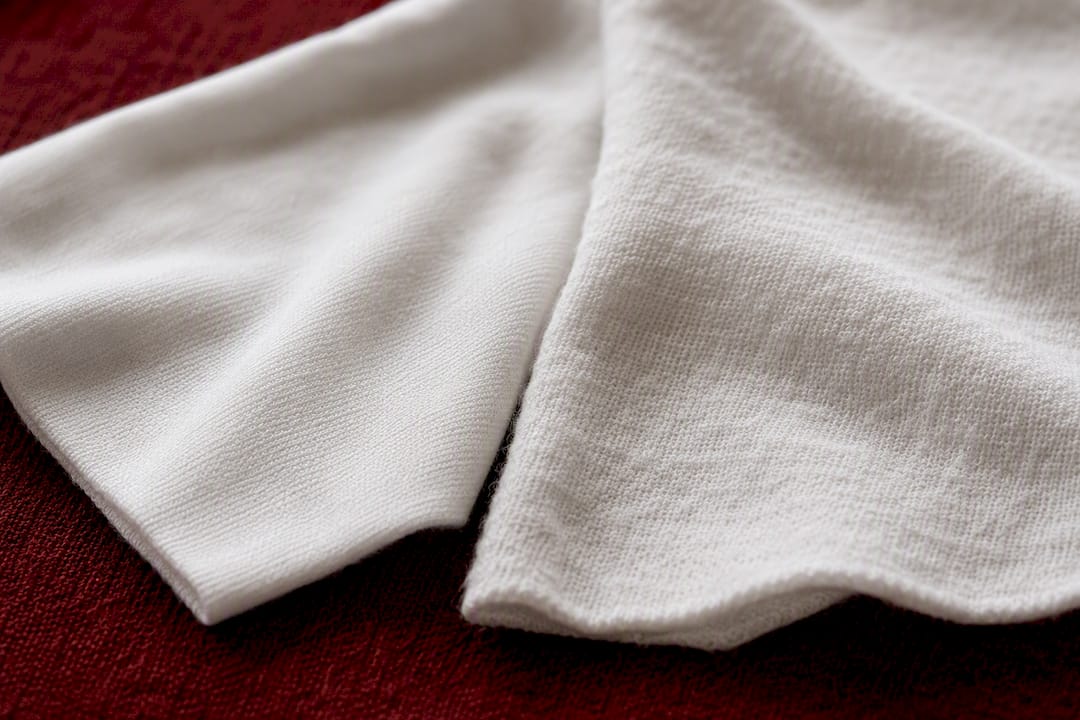
Yarn count matters just as much as spinning method. A 30s/1 combed ring-spun yarn produces a noticeably finer, softer fabric than an 18s/1 open-end yarn, since higher singles numbers mean thinner, more tightly controlled strands packed into the same weight of fabric, per the Alibaba procurement guide on t-shirt configurations.
Statistic Callout: Ringspun cotton's smoother surface and reduced ink bleeding make it the preferred base for DTG printing, and buyers commonly accept a noticeable price premium for the sharper detail it produces, according to RushOrderTees' apparel fabric guide.
Pro Tip: If a design has fine text or thin lines, skip open-end fabric entirely. The fuzzier surface soaks up extra ink at the edges and blurs detail that would print crisp on combed ring-spun.
Durability, Pilling, and How Long Each Fabric Lasts
Fiber alignment doesn't just change how fabric feels off the shelf. It changes how the fabric ages. Ring-spun's twisted, parallel fibers resist the friction that causes pilling, while open-end's looser, more tangled structure gives loose fiber ends more chances to work free and tangle into little balls at stress points.
Underarms, the inside of sleeves, and anywhere fabric rubs against itself in the wash are where pilling shows up first. Peer-reviewed research on textile fiber handling backs up the mechanism: how fibers are processed and finished directly affects surface fiber mobility and how easily loose ends migrate to the surface, per research published on textile fiber properties.
A few things worth knowing before you assume ring-spun always wins on durability:
- Heavy open-end constructions (think 6 oz. and up) can still outlast a lightweight ring-spun shirt in raw structural strength
- High-GSM garments in either spinning method resist wear better than low-GSM garments in the same method
- Combed ring-spun in a mid-weight construction is the more forgiving all-around choice for anything worn weekly
Shrinkage and Care: Keeping the Softness You Paid For
Shrinkage has less to do with spinning method than with finishing. Both ring-spun and open-end cotton shrink if they haven't been pre-shrunk or mercerized during finishing, and untreated cotton can shrink 5% or more on the first wash. Pre-shrunk fabric, by contrast, typically holds shrinkage under 5%, based on industry procurement data on t-shirt fabric specs.
A short routine keeps either fabric type performing the way it should:
- Wash in cold or warm water, never hot, since heat is what drives most residual shrinkage.
- Skip the high-heat dryer setting. Tumble low or air-dry to protect fiber alignment.
- Use a mild detergent without heavy fabric softener buildup, which can mat fibers and encourage pilling over time.
- If pilling appears, use a fabric shaver rather than pulling pills off by hand, which can snag surrounding threads.
When you're reading a label, "pre-shrunk" tells you about finishing, not fiber quality. "Combed" and "ring-spun" tell you about the yarn itself. All three matter, but they're answering different questions.
Cost vs Value: When the Ring-Spun Premium Pays Off
Combed ring-spun fabric usually runs noticeably higher in price than open-end cotton of comparable weight, a spread confirmed across both Simplstc Apparel's and RushOrderTees' breakdowns of ring-spun pricing.
That premium earns its keep in specific situations:
- Retail apparel meant to be worn repeatedly and represent a brand's quality standard
- Any garment getting a detailed print, where the smoother surface protects ink fidelity
- Hospitality textiles like towels and robes, where hand-feel is part of the guest experience
It doesn't earn its keep on:
- Single-wear giveaway shirts handed out at events
- Bulk promo runs where cost per unit outweighs long-term softness
- Anything printed with a bold, low-detail design that won't show surface texture anyway
Statistic Callout: A cost increase sounds steep until you weigh it against reprint costs from blurred DTG detail or customer complaints about a shirt that pills after repeated washes, a tradeoff RushOrderTees frames as one of the more predictable returns in apparel sourcing.
What to Actually Buy for Tees, Towels, and Bulk Orders
Specs matter more than marketing language on a hang tag. Here's what to look for depending on the project:
- Retail tees: combed ring-spun, 30s/1 yarn or finer, medium weight in the common retail range. That weight range hits the sweet spot between drape and durability for everyday wear, per Alibaba's fabric configuration data.
- Towels: ring-spun cotton in the pile yarn boosts both plushness and absorbency; carded cotton towels are stiffer and less absorbent but hold up fine in high-turnover settings like gyms.
- Bulk promo runs: open-end or carded cotton is the practical call when unit cost matters more than hand-feel and the shirt has a short expected lifespan.
Pro Tip: *Ask suppliers for the exact yarn count and spinning method in writing before ordering, not just "cotton" on a spec sheet.
Kenny Wade's World's Take on Fabric Sourcing
Kenny Wade's World sources combed ring-spun cotton for retail merch, from tour tees to everyday drops, because that's what holds up to repeat washing and keeps prints looking sharp after a dozen cycles. For one-off event giveaways or limited promotional runs, the calculus shifts toward open-end cotton, where cost per unit matters more than long-term softness. Readers weighing the same tradeoff for their own projects can browse Kenny Wade's World's clothing line to see how that spec choice plays out in a finished product, backed by the same yarn standards outlined in Cotton Incorporated's technical bulletin.
Why Most Buying Guides Oversimplify This Comparison
Most comparisons treat ring-spun as the universal winner and open-end as the budget compromise, full stop. That's lazy. The honest read of the mechanics is that ring-spun wins on hand-feel and print fidelity almost every time, but durability is more nuanced than the marketing copy suggests. A heavyweight open-end shirt can outlast a flimsy, low-GSM ring-spun one, because weight and construction do real work that spinning method alone doesn't override.
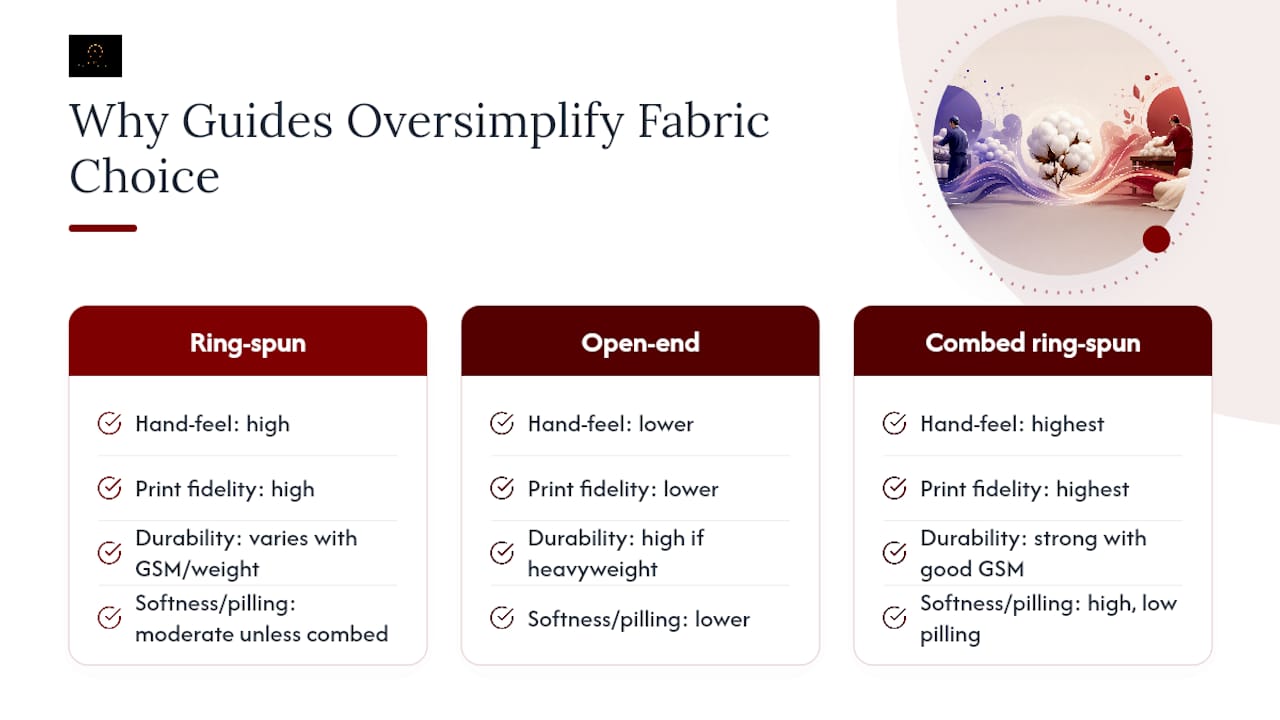
The bigger blind spot in conventional advice is treating "ring-spun" and "combed ring-spun" as interchangeable. They're not the same product, and the combing step is where most of the softness and pilling resistance actually comes from. If you're paying a premium, know which premium you're paying for.
Prioritize yarn count and GSM before spinning method. A 30s/1 combed ring-spun shirt at 160 GSM will outperform a 20s/1 uncombed ring-spun shirt in almost every category that matters to a wearer. Ask for numbers, not adjectives.
— Kenny
Shop Kenny Wade's World for Fabric That Matches the Spec
Every drop pairs music-culture design with fabric that holds its softness past the first wash, not just the first photo.
If you came here trying to figure out what to look for in your next tee purchase, skip the guesswork and check out the current clothing collection directly. And if fabric sourcing has you thinking about other projects worth doing right, Kenny Wade's World also has a surprisingly detailed step-by-step guide to building a robot that shows the same attention to process the brand puts into its clothing specs. Browse the shop, compare a piece against the GSM and yarn-count guidance above, and see how it holds up.
Sources
- Cotton Spun Yarns for Knit and Woven Fabrics — ISP 1006, Cotton Incorporated
- Yarn spinning — CottonWorks
- What Is Ring Spun Cotton? Open-End vs Ring-Spun vs Combed Ring-Spun Explained — Simplstc Apparel
- What is Ringspun Cotton? How Fabric Quality Affects Your Custom Apparel — RushOrderTees
- PMC article on textile fiber properties and handling — NCBI