
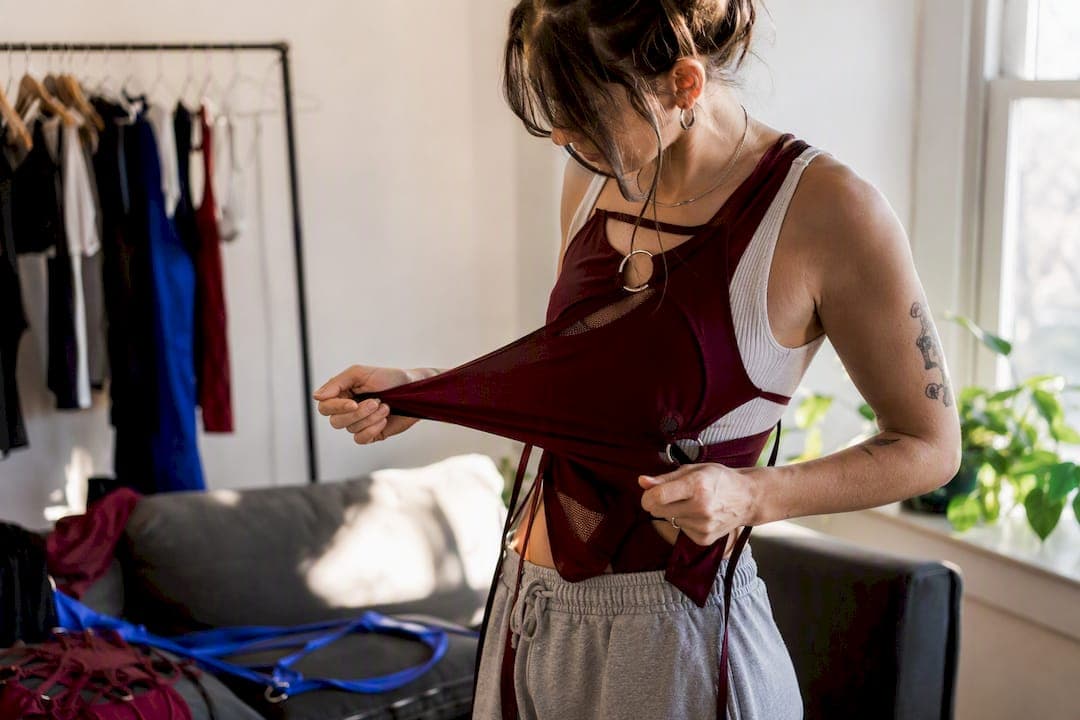
The best Rolling Loud outfits pull from three reliable formulas: streetwear statement (bold graphics, one hero piece, chunky sneakers), athleisure core (bike shorts or joggers, sports bra or crop top, breathable layers), and a modular layered look built for temperature swings. Whichever direction you pick, three things decide whether the outfit actually survives the day: comfort under hours of standing and crowd contact, layers you can shed as the Florida heat drops after dark, and pieces that clear the venue's security check without a fight at the gate.
TL;DR:
- Choose layered outfits with moisture-wicking base layers, stylish mid layers, and packable outer layers to handle Florida’s heat and sudden rainstorms.
- Wear well-broken-in sneakers or hiking shoes to prevent blisters, and carry fresh socks for quick mid-day comfort improvements.
- Use clear bags and pack hydration supplies, earplugs, and anti-chafe products to stay comfortable and compliant with festival security policies.
- Prioritize comfort and outfit durability over heavy trends, focusing on a statement piece that stands out in photos rather than trying to make every item bold.
- Select versatile, festival-ready clothing designed for multiple wears, allowing you to enjoy fashion and practicality during the three-day event.
Table of Contents
- Rolling Loud Outfit Ideas: 10 Looks Worth Copying
- Building an Outfit That Survives Three Days of Heat and Crowds
- Footwear That Actually Holds Up
- Bags, Hydration, and Gear That Doesn't Get You Turned Away
- Outfit Mistakes That Get Flagged (or Ruined)
- Kenny Wade's Take on Dressing for a Festival Like This
- Why Practical Beats Trendy at a Festival Like Rolling Loud
- Shop Festival-Ready Pieces at Kenny Wade's World
- Sources
Rolling Loud Outfit Ideas: 10 Looks Worth Copying
Rolling Loud's 2026 U.S. dates are May 8 through 10 in Orlando, with Playboi Carti, Don Toliver, and NBA YoungBoy headlining. That's three days of Florida heat by afternoon and a real chill once the sun drops, so every look below assumes you're dressing for both halves of the day.
- Graphic tee, cargo pants, chunky sneakers. The tee carries the statement, the cargos give you pockets that don't require a bag for small items, and broken-in sneakers handle the crowd shuffle. Works for any gender.
- Mesh top over a bralette, bike shorts, low-top trainers. Ventilated and quick-drying if it rains, and the mesh layer photographs well against stage lighting.
- Baggy denim shorts, cropped hoodie, crossbody bag. The hoodie ties around your waist once the temperature climbs, then goes back on after sunset.
- Statement outerwear (vinyl or faux-leather jacket) over a plain tank. 2023 attendees leaned into bold, handmade pieces, and a jacket you can tie around your hips once you're warm keeps the drama without the discomfort.
- Two-piece set (matching shorts and top) in a technical fabric. Sets read as intentional in photos and cut down on the "does this match" guesswork.
- Oversized jersey, biker shorts, ankle socks, low sneakers. A nod to the hip hop and sports-lifestyle overlap that's always present at Rolling Loud crowds.
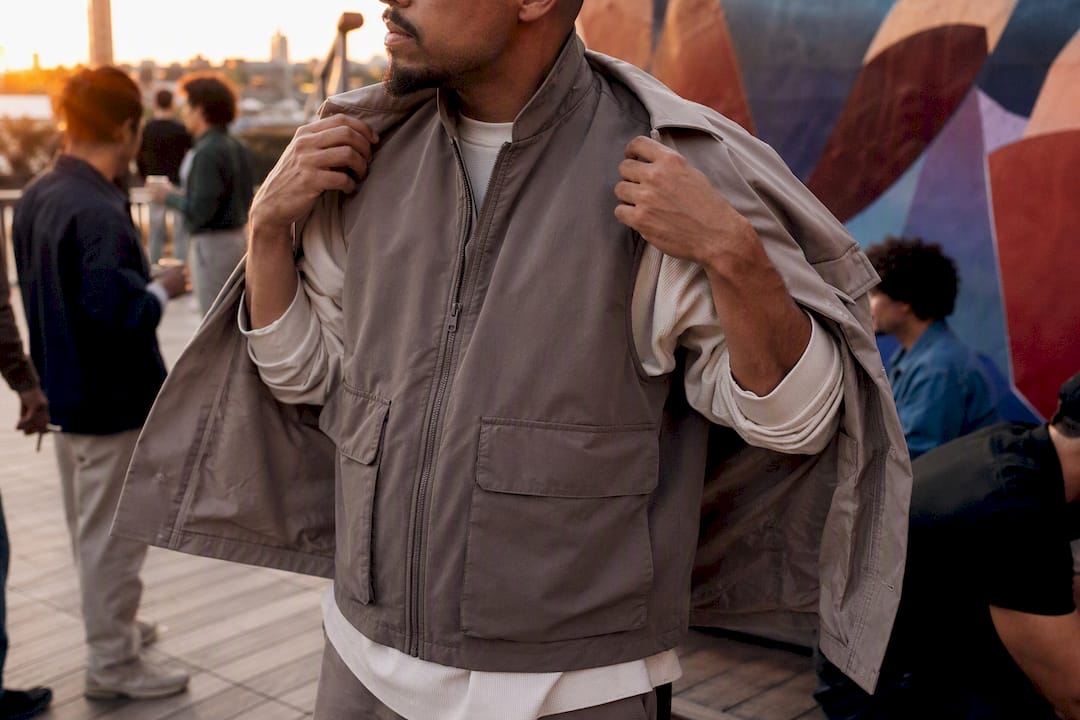
- Utility vest over a fitted tee. Extra pockets replace a bag entirely, which matters if you'd rather not carry one.
- Rain-ready version: packable windbreaker, quick-dry shorts, water-resistant sneakers. Central Florida in May throws sudden storms, and a $15 packable shell saves an outfit faster than anything else.
- DIY statement accessory look: base outfit plus a hand-embellished bag charm or plush accent. Handmade accents echo the teddy-bear-shoe energy that's become a Rolling Loud signature without committing your whole outfit to a costume.
- Modular layered set: tank, oversized button-up worn open, joggers. The button-up works as sun protection at noon and a light jacket at 10 p.m., which is the entire point of dressing modular for a multi-day festival.
For any of these, plan on the possibility that something gets trashed. Mud, spilled drinks, and body glitter happen, so save the sentimental pieces for a different occasion.
Building an Outfit That Survives Three Days of Heat and Crowds
Layering isn't optional at a festival that starts in 90-degree heat and ends in a 65-degree night. The formula that works: a moisture-wicking base layer, a mid layer that carries your actual style statement, and a packable outer layer for wind or rain.
- Base: synthetic blends or technical cotton that wicks sweat rather than holding it.
- Mid: this is where the graphic tee, the crop top, or the statement jacket lives.
- Outer: a packable windbreaker or light vinyl piece you can stuff into a bag once the sun's out.
Cotton feels great until hour six of sweating in a crowd. Streetwear and athleisure combinations handle the heat better than pure cotton sets, mostly because synthetic-blend fabrics dry faster between sets and don't chafe when they're damp.
Statement pieces are worth the risk only if you built them to survive movement. Securing embellishments with fabric glue and a safety stitch before the festival, then testing that you can still jump and move in the piece, is the difference between a look that survives day one and one that falls apart during the first mosh.
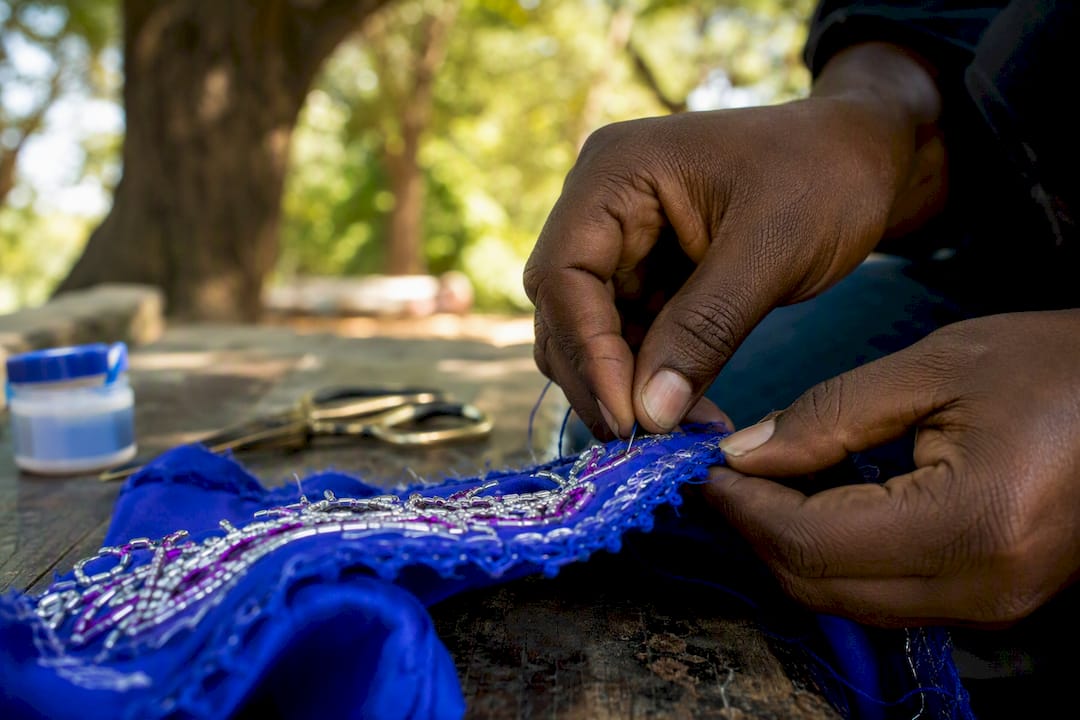
Pro Tip: Test your full outfit, including any glued or sewn accents, by jumping in place for two minutes at home. If anything shifts or peels, fix it before you leave, not at the gate.
Footwear That Actually Holds Up
Your feet take the worst of any festival, so this is the one category not worth improvising. Broken-in sneakers or light hiking-style boots outperform anything new out of the box, and stylists consistently recommend wearing festival shoes at least a week before the event so the material has already flexed to your foot.
- Break in new shoes for at least a week of regular walking before the festival.
- Pack moisture-wicking socks. Cotton socks plus hours of standing equals blisters.
- If rain is likely, treat sneakers with a waterproofing spray the night before.
- Platform shoes look great in photos but punish your feet after ten hours. Save them for a single set, not the full day.
- Open sandals are fine for daytime but risky in a packed crowd. If you wear them, bring foot wipes and a bandage kit for exposed toes.
Pro Tip: Carry a second pair of socks in your bag. Swapping into dry socks mid-afternoon does more for your energy than almost anything else on this list.
Bags, Hydration, and Gear That Doesn't Get You Turned Away
Most large festivals, Rolling Loud included, run clear-bag policies with mandatory wristbands, so check the official venue policy before you pack anything larger than a small crossbody. A clear PVC fanny pack or a small clear tote covers most needs without breaking the rule.
- Bring a collapsible hydration pouch or a clear water bottle. Refill stations are usually available inside.
- High-fidelity earplugs protect your hearing over three days of stage-level bass without muffling the music, and they're increasingly worn as a visible accessory rather than hidden.
- Anti-chafe stick for thighs and underarms. Cheap, small, and you'll be glad you packed it by hour four.
- A crossbody with a zippered, anti-theft strap keeps your phone secure in a packed crowd.
- A slim phone sleeve or crossbody phone holder makes filming and photos easier without pulling out a bag every time.
Outfit Mistakes That Get Flagged (or Ruined)
Security lines move faster when your bag is actually clear and doesn't have anything on the prohibited list, things like large opaque backpacks, outside drinks, or multi-tool accessories usually get pulled aside and confiscated on the spot. Skip the brand-new white sneakers and the heavy metal jewelry. Crowds crush both, and metal chains catch on other people constantly.
- Leave sentimental jewelry at home. If you must wear something meaningful, tape it under a wristband rather than letting it dangle.
- Avoid stiff, non-stretch fabrics. You'll be raising your arms and jumping more than you think.
- Don't debut your most expensive pair of shoes. Festival mud does not care what they cost.
Kenny Wade's Take on Dressing for a Festival Like This
I build every festival-ready piece around three rules: let the music inspire the fit, make sure it survives a real crowd, and keep it photo-ready without sacrificing comfort. That's the whole philosophy behind Kenny Wade's World. The versatile tops in the lineup are cut loose enough to move in, and the modular outer layers work exactly like the layering formula above, on at noon, tied around your waist by 3 p.m.
Why Practical Beats Trendy at a Festival Like Rolling Loud
Most outfit guides chase the most photogenic look and skip the part where you're standing in a crowd for nine hours. That's backwards. The pieces that actually work at Rolling Loud are the ones you forget you're wearing, until you look at the photos later and realize the outfit did its job twice: it looked good and it survived.
The conventional advice to "dress bold" isn't wrong, but it's incomplete. Bold works when it's built on a comfortable, weather-ready base, not instead of one. Prioritize the base layer and shoes first, then spend your creative energy on the one statement piece that actually gets photographed, a jacket, a graphic tee, a DIY accessory. Trying to make every single item a statement is how people end up overheated and miserable by the second headliner.
— Kenny
Shop Festival-Ready Pieces at Kenny Wade's World
Kenny Wade's World builds pieces specifically for the layering formula this guide just walked through: breathable base layers, statement mid layers with real music-culture roots, and modular outer pieces that go from festival to everyday wear without looking like a costume. That's the practical edge over grabbing something generic off a rack the week before Orlando.
Every piece is designed to double as normal wardrobe rotation once the festival's over, which is worth factoring in if you're deciding between a one-time costume purchase and something you'll actually wear again. Browse the women's festival-ready trend picks for layering pieces that transition straight into fall wardrobes, and if you're building out your whole festival kit, start with the full Kenny Wade's World shop to see current drops before May.
Sources
- Rolling Loud U.S. Lineup 2026: Playboi Carti, YoungBoy, Don Toliver
- Rolling Loud 2023: Teddy bear shoes, a viral alien and more in the best of festival fashion
- What To Wear To Rolling Loud LA
- 2026 Festival Outfits Inspiration: Top Trends & Stylist Tips