
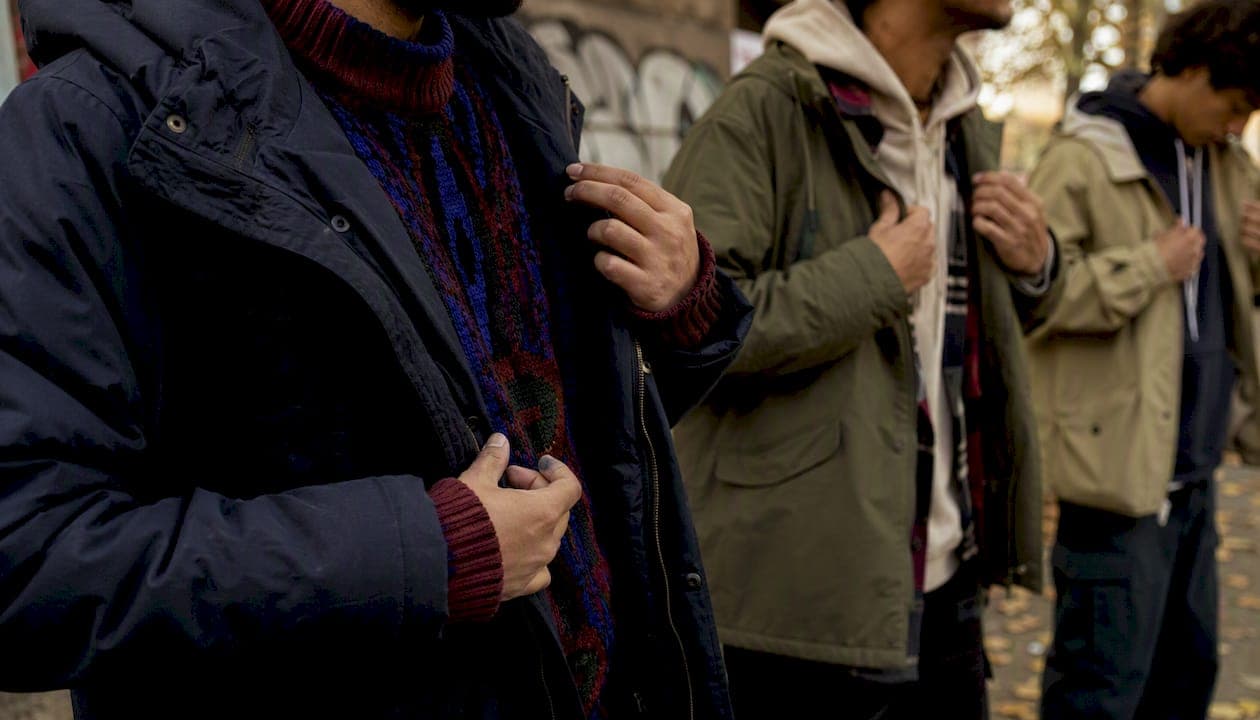
Streetwear in 2026 runs on four signals: considered volume, technical utility borrowed from gorpcore, Y2K nostalgia updated with modern proportions, and quiet-luxury basics punctuated by bold color. That's the short version. The longer version is that the most interesting outfits right now don't pick one of those signals — they layer two or three of them, and the result feels specific rather than trend-chasing.
Vogue's spring 2026 street-style dispatches confirm what forecasting tools like Trendalytics flagged months earlier: the runway-to-street pipeline is faster than ever, and TikTok Creator Search Insights are surfacing micro-trends before most editorial teams catch up. Kennywadesworld has been tracking these same signals to shape its 2026 drop calendar.
Three things you can do right now:
- Swap one logo-heavy piece for a quality blank in a neutral or a single statement color.
- Add a Kangol-style bucket hat or a multi-pocket cargo bag to an outfit you already own.
- Check a verified resale platform for a vintage jersey or a retro trail sneaker before buying new.
Pro Tip: Before scrolling any further, pull out one piece from your closet that feels "off" lately. Chances are it's either too logo-heavy or too matchy-matchy — both are the exact signals 2026 streetwear is moving away from.
Key Takeaways
The single most important thing to understand about streetwear trends 2026 is that the strongest outfits combine considered proportion, one utility or technical accent, and a quality basic — rather than chasing every trend simultaneously.
| Point | Details |
|---|---|
| Proportion over volume | One oversized piece per outfit; pair it with a fitted or straight-cut counterpart to keep the silhouette intentional. |
| Utility as accent | One gorpcore or technical piece (a shell, a cargo trouser, a belt bag) upgrades a simple outfit without requiring a full techwear commitment. |
| Bold color as interruption | Neutrals anchor the look; one statement color (luminous blue, carmine red, bold green) is the 2026 formula for color. |
| Resale is mainstream | Vintage and secondhand sourcing are now standard wardrobe-building behaviors, not niche habits — prioritize resale for Y2K and graphic pieces. |
| Kennywadesworld | Musical-graphic tees, elevated basics, and versatile layers from Kennywadesworld map directly to the strongest 2026 streetwear signals. |
Table of Contents
- The 12 streetwear trends defining 2026
- How runway drama actually becomes street style
- Outfit formulas and a wardrobe-edit checklist for 2026
- Where to find 2026 streetwear pieces without overspending
- How Kennywadesworld fits 2026 streetwear
- Which micro-trends have staying power and which will fade
- How digital and tech influences are reshaping streetwear
- What I actually think about wearing streetwear in 2026
- Shop the 2026 streetwear look at Kennywadesworld
- Sources
The 12 streetwear trends defining 2026
1. Controlled volume and balanced proportions
Oversized is not dead — it's just grown up. The 2026 version pairs a boxy or dropped-shoulder jacket with a fitted knit underneath and straight-leg (not baggy) trousers. Field reporting on what's actually being worn shows the shift clearly: roomy workwear silhouettes are mixed with sharper tailoring so the volume reads as intentional, not accidental.
Low-commitment entry: Wear your current oversized hoodie with slim-fit chinos instead of matching sweats. Committed version: A boxy wool-blend blazer over a ribbed turtleneck, wide-leg trousers, and low-profile terrace trainers.
Shopping direction: Heritage sports brands (think legacy athletic silhouettes) and workwear-adjacent labels carry the right boxy cuts. Check the outerwear and "relaxed tailoring" categories.
Pro Tip: The rule of thumb is one oversized piece per outfit. Two reads as costume; one reads as style.
2. Gorpcore and techwear as accent, not costume
Full head-to-toe technical gear belongs on a trail. In 2026, the move is one gorpcore accent dropped into an otherwise simple outfit. Forecasting signals confirm that water-resistant shells, ripstop cargo pants, and multi-pocket silhouettes are pairing with everyday staples rather than replacing them.
Low-commitment entry: A ripstop cargo pant with a plain white tee and clean leather sneakers. Committed version: A technical shell in a muted olive or slate over a fitted mock-neck, straight-leg trousers, and trail-hybrid sneakers.
Shopping direction: Outdoor-adjacent brands and performance-wear labels. Look for "packable shell" or "ripstop trouser" in the product description.
| Signal | Platform | Momentum |
|---|---|---|
| Gorpcore accent pieces | TikTok, editorial | High |
| Full techwear sets | Niche forums | Medium |
| Trail-hybrid footwear | Resale + retail | High |
3. Y2K low-rise layers and retro references
Nostalgia cycles are strong in 2026, but the best Y2K looks are blended with modern proportions so they don't read as costume. Gen Z fashion reporting notes that Y2K elements are being reworked with updated materials and silhouette ratios — low-rise bottoms appear, but they're paired with longer tops that create a deliberate peek rather than a full throwback.
Low-commitment entry: Low-rise wide-leg jeans with a longer fitted tee tucked at the front only. Committed version: Low-rise cargo trousers, a cropped baby tee, an open button-down shirt worn as a layer, and chunky retro sneakers.
Shopping direction: Vintage and resale platforms are the most authentic source. Look for early-2000s denim and jersey pieces; condition matters more than brand.
4. Quiet luxury basics and the "quiet flex"
Logo fatigue is real. Trend forecasting synthesis shows consumers shifting toward understated branding, quality fabrics, and premium basics. The "quiet flex" is a cashmere-blend crewneck or a perfectly cut cotton tee that communicates quality through fit and fabric rather than a chest logo.
Low-commitment entry: Replace one logo tee with a heavyweight blank in a neutral — oatmeal, slate, or off-white. Committed version: A merino crewneck, tailored chinos, minimal leather sneakers, and a structured tote. No visible logos anywhere.
Shopping direction: Look for "heavyweight cotton" or "Pima cotton" basics. Brands that emphasize fabric weight and garment construction over branding are the right direction.
5. Retro and back-print graphic tees
The graphic tee is not going anywhere, but the graphic itself has shifted. Back prints, oversized placement graphics, and music-reference artwork are outperforming small chest logos. This is where the graphic tee trend 2026 gets interesting: the image or text is often a cultural reference — a band, a city, a sport — rather than a brand name.
Low-commitment entry: Style a vintage-feel graphic tee with tailored trousers and a clean sneaker to keep the rest of the outfit quiet. Committed version: An oversized back-print tee tucked loosely into wide-leg trousers, a lightweight overshirt, and retro trail sneakers.
Shopping direction: Independent designers and music-adjacent brands carry the most authentic graphic work. Kennywadesworld's musical-graphic tees sit squarely in this category, with artwork rooted in Kenny Wade's actual music identity rather than generic streetwear motifs.
Pro Tip: A graphic tee with a strong back print works best when the front is clean or minimal. Let the back do the talking.
6. Trail and terrace sneakers, plus alternative footwear
Sneaker culture in 2026 is split. Market observations show low-profile terrace-style trainers rising alongside expressive retro and trail hybrids. The terrace trainer — think classic court or football-terrace silhouettes — is the cleaner, more versatile pick. Trail hybrids are louder and pair best with technical or utility outfits.
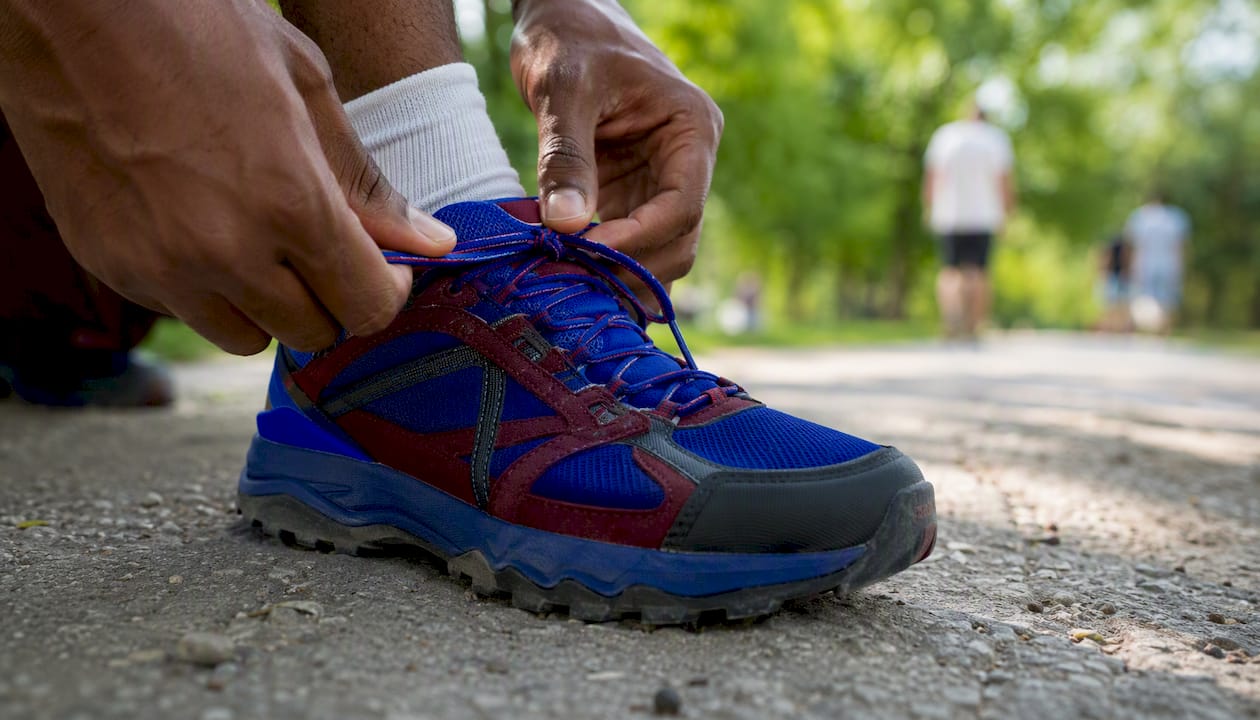
Beyond sneakers, chunky boots (lug-sole Chelsea or combat) and strappy sandals with technical socks are gaining ground for festival and warm-weather street style. Wedge heels are appearing in more street-style edits than they have in years.
Low-commitment entry: Swap your current running shoe for a low-profile terrace trainer in white, navy, or gum sole. Committed version: A trail-hybrid sneaker in a bold colorway (green, red, or orange) paired with a technical or utility outfit.
Shopping direction: Legacy athletic brands (Nike, Adidas, Puma) all have terrace and trail-hybrid lines. For the bolder colorways, check the "statement trainer" or "trail-inspired" categories.
7. Utility pockets, toggles, and military-inspired outerwear
Cargo pockets moved from trend to baseline. In 2026, the utility detail is more refined — a single cargo pocket on an otherwise clean trouser, or a toggle-closure anorak over a simple outfit. Military-inspired outerwear (field jackets, M-65 silhouettes, olive and khaki colorways) is appearing in both gorpcore and quiet-luxury contexts, which tells you how broadly the utility signal has spread.
Low-commitment entry: Add a single-pocket cargo trouser to a plain tee and clean sneaker outfit. Committed version: An M-65-style field jacket in olive, worn open over a ribbed turtleneck and straight-leg jeans, with a multi-pocket belt bag.
Shopping direction: Military surplus and workwear brands are the most authentic source. For new pieces, look for "field jacket," "anorak," or "ripstop trouser" in the product search.
8. Bold color interruptions — luminous blue, carmine red, and statement green
Neutrals are still the foundation. But color signals across trend reports show statement colors used as deliberate interruptions rather than full looks. Luminous blue, carmine red, and bold green are the three colors appearing most consistently — often as a single piece (a trainer, a bag, an outer layer) dropped into an otherwise neutral outfit.
Low-commitment entry: One red or blue accessory — a bag, a hat, or a sneaker — against a neutral outfit. Committed version: A carmine red technical shell or a luminous blue overshirt as the statement piece, with everything else in black, white, or grey.
For color-blocking ideas that cross over into sport-inspired casual wear, golf streetwear color guides are a surprisingly useful reference — the sport-to-street color logic translates directly.
9. Upcycling, vintage, and resale as cultural credibility
Sustainability is no longer a niche preference. Trend analysis shows recycled fabrics, slow-fashion logic, and vintage or customized pieces are central to cultural credibility in streetwear. For Gen Z especially, resale and secondhand shopping are mainstream wardrobe-building behaviors — not a budget compromise.
Low-commitment entry: Source one piece from a verified resale platform (a vintage jersey, a deadstock sneaker) and style it with new basics. Committed version: Build an outfit entirely from thrifted or resale pieces, then add one new quality basic to anchor it.
Shopping direction: Verified resale platforms, local thrift stores, and vintage specialists. For customization, screen-printing and embroidery services can turn a thrifted blank into something original.
10. Kidulting and playful accessories
Streetwear in 2026 has a playful streak that runs alongside the quiet-luxury direction — and the two coexist more easily than you'd expect. Kangol-style bucket hats, cartoon-reference patches, oversized tote bags with bold graphics, and chunky colorful jewelry are all part of the kidulting wave. The key is contrast: one playful piece against an otherwise composed outfit.
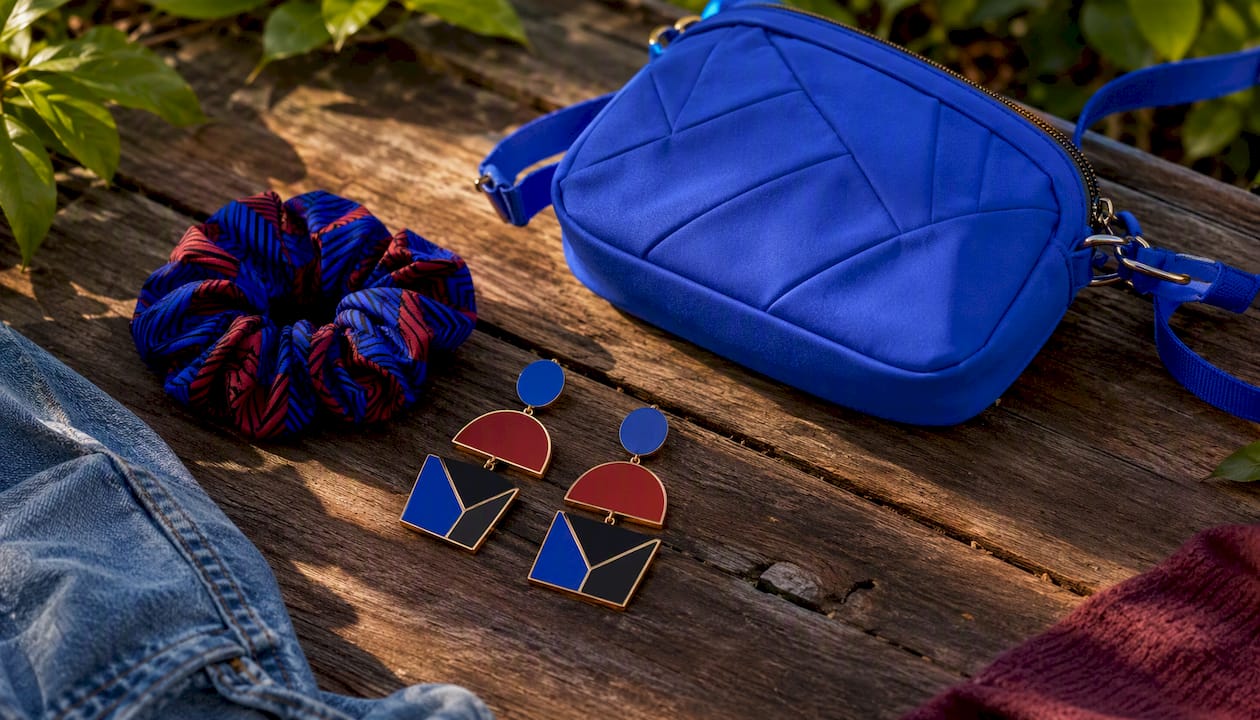
Low-commitment entry: A Kangol-style bucket hat or a bold graphic tote with a clean, neutral outfit. Committed version: A structured outfit (tailored trousers, fitted knit) with one deliberately playful accessory — a cartoon-patch cap, a chunky resin ring, or a bright mini bag.
Shopping direction: Accessories brands, independent designers, and vintage markets. Lacoste and Kangol both have heritage bucket-hat silhouettes that fit this direction exactly.
11. Gender-inclusive silhouettes and fluid styling
The most forward streetwear in 2026 ignores the men's/women's binary at the silhouette level. Boxy cuts, wide-leg trousers, oversized outerwear, and unisex basics are styled across gender lines without comment. Brands like Yves Saint Laurent (YSL) have been pushing androgynous tailoring for seasons; the street-style version is less polished but equally intentional.
Low-commitment entry: Try a silhouette from the "opposite" section of a brand's range — a boxy men's cut jacket styled with a feminine bottom, or vice versa. Committed version: A full gender-neutral outfit built around proportion and color rather than gendered cut — wide-leg trousers, an oversized knit, and a clean sneaker that reads as neither masculine nor feminine.
Shopping direction: Unisex and gender-neutral labels, plus the "oversized" or "relaxed fit" categories of most major brands.
12. Statement accessories — hats, cargo belt bags, and chunky jewelry
Accessories are doing more work in 2026 than they have in years. A single strong accessory can shift an otherwise basic outfit into a clear trend direction. Cargo belt bags (worn across the chest or at the hip) are the most functional pick. Chunky retro jewelry — thick chain necklaces, oversized rings — adds the playful or Y2K signal. And a structured hat (bucket, wide-brim, or baseball cap with an unexpected logo) finishes a look without requiring a full outfit change.
Low-commitment entry: Add a cargo belt bag to any outfit you already own. Committed version: Coordinate a hat, a bag, and one piece of chunky jewelry in a single colorway for a pulled-together accessory story.
Shopping direction: Kangol for bucket hats, legacy sports brands (Adidas, Nike) for belt bags, and independent jewelers or vintage markets for chunky chain pieces.
How runway drama actually becomes street style
The gap between a runway look and a wearable outfit used to feel enormous. In 2026, it's narrower than it's ever been — partly because designers are referencing streetwear, and partly because Vogue's street-style coverage shows real people adapting runway motifs within weeks of a show.
The runway-to-street translation process works like this:
- Identify the silhouette, not the styling. A runway look with an exaggerated cape or bustle reads as costume. Strip it to the proportion signal: volume at the shoulder or hip, length contrast, or layering logic.
- Swap the fabric. Runway pieces use couture-grade materials. The street version uses the same proportion in cotton, nylon, or a wool blend.
- Keep one runway element, neutralize the rest. If the runway moment is a dramatic volume at the shoulder, wear that boxy jacket with the most ordinary trousers and sneakers you own.
Y2K revival: the layering rules that keep it modern
The Y2K pieces that work in 2026 are the ones that don't try too hard. Low-rise jeans with a longer tee, a baby tee under an open overshirt, or a velour track jacket worn open over a fitted knit — these work because the proportions are updated even when the references are old. The mistake is stacking too many Y2K signals at once. One or two pieces read as intentional; five reads as costume.
The activewear pivot
TikTok Creator Search Insights confirm what anyone paying attention already noticed: the matching-set era is over. The new activewear direction is eclectic separates — a performance top with non-matching wide-leg trousers, or a sports bra layered under a blazer. The search spike for "2000s activewear" terms in early 2026 shows the retro athletic reference is driving a lot of this energy.
Utility as an outfit upgrade
One technical or utility item changes the read of an entire outfit. A multi-pocket shell worn open over a plain tee and jeans signals gorpcore awareness without committing to the full look. A cargo belt bag worn across the chest on a simple outfit does the same thing. The utility piece is the accent, not the statement.
Outfit formulas and a wardrobe-edit checklist for 2026
You don't need a new wardrobe. You need a few swaps and a clearer eye for proportion. These formulas use pieces most people already own, with one or two additions.
Eight outfit formulas to try now:
- Boxy jacket + fitted ribbed knit + straight-leg trousers + terrace trainer
- Technical shell (open) + plain tee + cargo trouser + trail-hybrid sneaker
- Oversized graphic tee (back print) + wide-leg jeans + low-profile white trainer
- Fitted mock-neck + wide-leg trousers + lug-sole Chelsea boot + cargo belt bag
- Low-rise wide-leg jeans + longer fitted tee (front-tucked) + retro chunky sneaker
- Merino crewneck + tailored chinos + minimal leather sneaker + structured tote
- Field jacket (open) + ribbed turtleneck + straight-leg jeans + terrace trainer
- Baby tee + open overshirt + low-rise cargo trouser + strappy sandal + technical sock
Wardrobe-edit checklist:
- Keep: Quality basics in neutral colors, any oversized outerwear with a clean silhouette, vintage or resale pieces with genuine character, and any sneaker with a terrace or trail-hybrid profile.
- Thrift or resale-source: A vintage jersey or graphic tee with a music or sport reference, a Y2K-era denim piece in good condition, a field jacket or M-65 silhouette.
- Buy new (selectively): One heavyweight blank tee in a statement color, a cargo belt bag, and one pair of low-profile terrace trainers if you don't already own them.
Fit and proportion notes:
When one piece is oversized, the piece below it should be more fitted or at least straight-cut. A boxy top with wide-leg trousers works when the top doesn't extend past the hip — otherwise the silhouette reads as shapeless. Tuck the front of a longer tee into wide-leg jeans to create a waist break without fully committing to a tuck.
Pro Tip: Fabric choice is what separates intentional from accidental. A boxy silhouette in a structured wool-blend reads as considered. The same silhouette in a thin, limp fabric reads as oversized by accident. When in doubt, go heavier on the fabric weight.
For fit guidance before you buy, Kennywadesworld's sizing resource can help you nail proportions when ordering online.
Where to find 2026 streetwear pieces without overspending
The smartest 2026 wardrobes are built across three channels: brand storefronts for quality basics and footwear, resale platforms for vintage and Y2K pieces, and independent or local thrift shops for one-of-a-kind finds.
By budget tier:
- Entry ($20–$80): Heavyweight blank tees, cargo belt bags, bucket hats, and basic terrace trainers. Brand storefronts from legacy athletic labels (Nike, Adidas, Puma) and fast-fashion-adjacent brands with a quality basics line. Thrift stores for graphic tees and field jackets.
- Mid ($80–$250): Technical shells, quality denim, retro trail-hybrid sneakers, and structured outerwear. Verified resale platforms for deadstock or near-new pieces at below-retail prices.
- Investment ($250+): A merino or cashmere-blend crewneck, a quality field jacket, or a statement sneaker from a heritage brand. These are the pieces worth buying new because fit and fabric quality are harder to assess on resale.
When to buy new vs. resale:
Buy new for basics where fit and fabric consistency matter — a heavyweight tee, a merino knit, a terrace trainer in a specific colorway. Buy resale for character pieces — vintage jerseys, Y2K denim, graphic tees with genuine cultural references, and military surplus outerwear. The resale version of those pieces is almost always more interesting than the new equivalent, and often cheaper.
Channels worth knowing:
- Verified resale marketplaces (authenticated secondhand platforms) for sneakers and outerwear.
- Local thrift and vintage stores for graphic tees, denim, and military surplus.
- Independent designers and small-batch labels for graphic work and accessories.
- Brand storefronts for basics, footwear, and outerwear when new is the right call.
For crossover athletic pieces that move from sport to street, all-day wearable sport-inspired gear is a useful reference for the kind of versatile, activity-adjacent pieces that fit the 2026 utility direction.
How Kennywadesworld fits 2026 streetwear
Kennywadesworld sits at the intersection of music culture and casual wear — which is exactly where the most interesting streetwear in 2026 lives. The brand's product categories map directly to three of the strongest trends in this list.
Product categories that align with 2026 trends:
- Musical-graphic tees: Kennywadesworld's graphic tees carry artwork rooted in Kenny Wade's actual music identity. That's the difference between a graphic tee that reads as authentic and one that reads as generic streetwear. Pair one with wide-leg trousers and a terrace trainer for the retro-graphic trend, or wear it under an open field jacket for the utility-accent look.
- Elevated basics: The brand's casual wear line includes quality basics in versatile colorways — the foundation of the quiet-luxury direction. A heavyweight blank from Kennywadesworld works as the neutral anchor in any of the outfit formulas above.
- Versatile outer layers: Pieces that transition between casual and slightly more dressed contexts fit the 2026 direction of controlled volume and intentional layering.
Styling examples using Kennywadesworld pieces:
A Kennywadesworld musical-graphic tee worn oversized, front-tucked into low-rise wide-leg jeans, with a cargo belt bag and retro chunky sneakers — that's the Y2K-graphic hybrid trend executed cleanly. Or: a quality blank tee from the basics line under an open technical shell, with cargo trousers and trail-hybrid sneakers — gorpcore accent, done.
The music-fashion connection is genuine here. Kenny Wade's dual identity as an artist and a brand founder means the cultural references in the clothing are real, not manufactured. That authenticity is what hip-hop music promotion and fashion have always shared: the credibility of the source matters as much as the product.
Pro Tip: When you wear a piece with a genuine cultural reference — a real artist's graphic, a real music scene's aesthetic — you don't need to explain the outfit. It speaks for itself.
Which micro-trends have staying power and which will fade
Not every trend on this list deserves equal investment. Here's a durability read on the major signals, based on social momentum, runway adoption, and resale market behavior.
High momentum (buy or commit now):
- Controlled volume / balanced proportions: This is a multi-season shift, not a micro-trend. The move away from head-to-toe oversize toward intentional proportion has been building for two years and shows no sign of reversing.
- Gorpcore accent pieces: Technical shells and cargo trousers are now basics for a large segment of the streetwear audience. The accent approach (one technical piece per outfit) has legs because it's practical.
- Quiet luxury basics: Consumer preference for quality over logomania is a behavioral shift, not a seasonal trend. It's accelerating.
- Resale and vintage sourcing: Gen Z's mainstream adoption of resale as a primary wardrobe-building channel is structural, not cyclical.
Medium momentum (seasonal, worth trying):
- Bold color interruptions: The specific colors (luminous blue, carmine red, statement green) will rotate, but the logic of one bold color against a neutral foundation is a durable styling principle. The exact shades are seasonal.
- Y2K low-rise layers: Strong right now, but nostalgia cycles move. The Y2K signal will likely peak in 2026 and begin to soften by 2027. Invest in resale pieces rather than new, so the cost is low.
- Kidulting accessories: Playful accessories are a genuine trend, but the specific items (which hat, which bag shape) turn over quickly. One or two pieces is the right level of commitment.
Experimental (watch, don't buy heavy):
- Smart textiles and wearable tech aesthetics: The styling influence of tech-adjacent design is real, but the actual wearable-tech product category is still early. The aesthetic is worth referencing; the hardware is not yet streetwear-ready for most people.
- Wedge heels in street style: Appearing in editorial and street-style photography, but not yet mainstream in everyday casual wear. Worth watching for festival season.
- Face paint and bold beauty as outfit complement: Strong in festival and event contexts, less relevant for everyday street style. Seasonal and context-specific.
Investment pieces vs. trend additives:
Spend money on controlled-volume outerwear, quality basics, and a good terrace or trail-hybrid sneaker. These have multi-season utility. Spend less (or buy resale) on Y2K pieces, bold-color statement items, and playful accessories — they're meant to rotate.
How digital and tech influences are reshaping streetwear
The tech influence on streetwear in 2026 is operating on two levels: the aesthetic and the actual material.
At the aesthetic level, wearable-tech-inspired styling is showing up in gorpcore and techwear outfits — reflective panels, modular attachment points, and utility-pocket placement that references outdoor and performance gear. You don't need actual smart textiles to wear this look; the visual language of technical gear is enough.
At the material level, smart textiles are moving from concept to limited commercial availability. Temperature-regulating fabrics, moisture-responsive membranes, and UV-reactive dyes are appearing in performance and outdoor brands first, then filtering into streetwear-adjacent labels. The practical application for most people right now is a water-resistant or quick-dry shell that performs on a trail and looks intentional on a city block.
The digital influence extends to discovery and purchase behavior. TikTok Creator Search Insights are now a reliable early-warning system for which silhouettes will scale — faster than traditional forecasting tools. Brands that read platform velocity correctly (Trendalytics-style signals flagged quiet luxury and gorpcore before broad editorial coverage) are the ones whose drops sell out. For the consumer, this means the gap between seeing a trend on TikTok and finding it in stores has compressed to weeks, not seasons.
The golf-streetwear crossover is a useful case study in how sport-adjacent digital communities accelerate trend adoption. Golf streetwear went from a niche online conversation to a visible street-style presence in under two years, driven almost entirely by platform-native content rather than traditional editorial.
What I actually think about wearing streetwear in 2026
The trend list above is real and useful, but here's what I'd tell you if we were talking directly: the best-dressed people in 2026 are not wearing twelve trends at once. They've picked two or three signals that feel natural to them and built a consistent point of view around those.
For me, that intersection of music and fashion is not a marketing angle — it's the actual logic behind how I think about clothing. A graphic tee with a real cultural reference, a quality basic that doesn't need a logo to communicate value, and one utility piece that earns its place in the outfit. That's the formula I keep coming back to, and it maps almost exactly to what the data says is working right now.
The quiet-luxury direction and the playful-accessory direction seem like opposites, but they're not. The tension between them is where the most interesting outfits live. A composed, minimal outfit with one deliberately unexpected accessory — a bright bag, a cartoon-patch hat, a chunky chain — is more interesting than either extreme on its own.
Kennywadesworld exists at that intersection. The music identity is real, the graphic work is genuine, and the basics are built to last past a single season. If you're building a 2026 wardrobe that doesn't feel like a trend report, that's the direction worth starting from.
Shop the 2026 streetwear look at Kennywadesworld
Kennywadesworld gives you the three pieces that do the most work in a 2026 streetwear wardrobe: musical-graphic tees with genuine cultural roots, elevated basics in quality fabrics, and versatile outer layers built for real-life wear.
The graphic tees carry Kenny Wade's actual music identity — not a generic streetwear motif, but artwork connected to a real artist and a real scene. The basics line covers the quiet-luxury direction: heavyweight cotton, clean colorways, and fits that work across the outfit formulas in this article. And the outer layers are designed for the kind of intentional layering that defines the 2026 silhouette.
Discover Kenny Wade clothing and find the pieces that match the trends you want to wear — not all twelve at once, but the two or three that fit your style.
Sources
The following sources informed the trend analysis and outfit guidance in this article. Each is worth bookmarking for ongoing micro-trend updates.
- What Are You Wearing? The 11 Street Style Trends of the Spring 2026 Season
- Streetwear Fashion Trends 2026: Where The Style Is Heading This Year
- Streetwear Trends 2026: What’s Actually Being Worn
For ongoing micro-trend signals, TikTok Creator Search Insights and Trendalytics are the two fastest-moving data sources — both tend to surface emerging silhouettes weeks before editorial coverage catches up.