
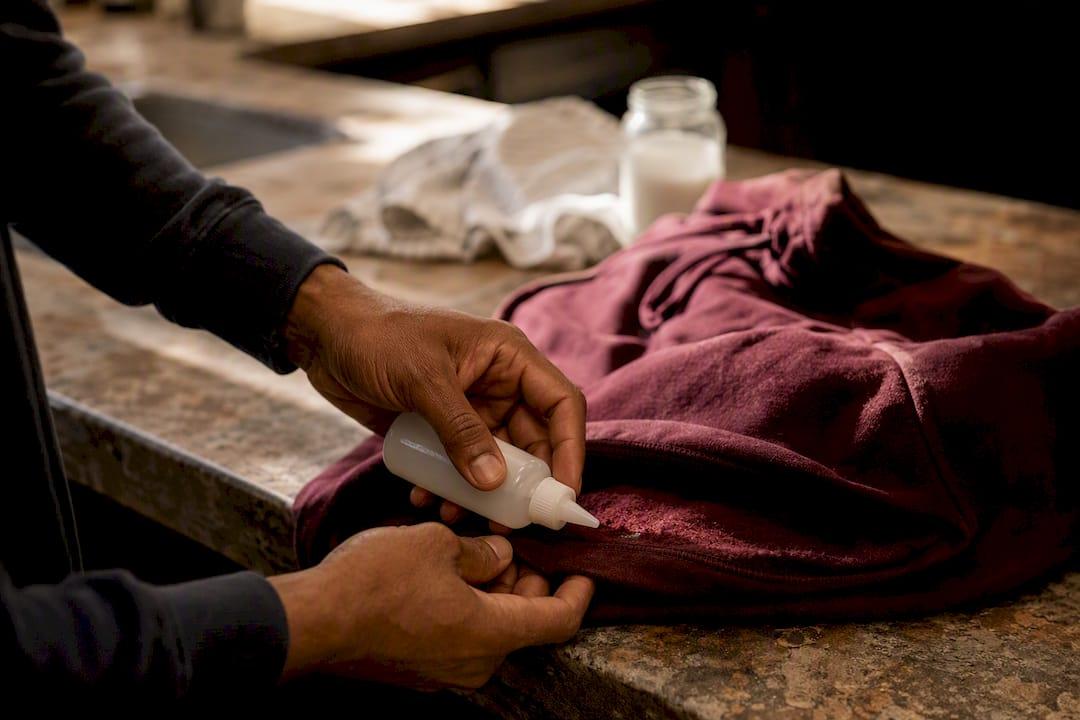
Wash hoodies inside out in cold water on a gentle cycle, using a mild detergent and skipping fabric softener, then air-dry flat and reshape the garment while it's still damp. That single routine covers most cotton, fleece, and blended hoodies on the market.
- Wash inside out, cold water, gentle cycle (or hand-wash if the label says so)
- Mild detergent only, no fabric softener
- Air-dry flat, or a brief low-heat tumble followed by flat drying
- Reshape the hoodie while damp, before it fully dries
The exceptions matter as much as the rule. Wool hoodies and pieces with heavy embroidery, sequins, or leather patches often need hand-washing or dry cleaning instead. Always check the care label before you load the machine.
Key Takeaways
Cold water, a gentle cycle, and flat drying protect a hoodie's shape and color better than any detergent or fabric softener choice.
| Point | Details |
|---|---|
| Check the label first | Wool and heavily decorated hoodies often need hand-washing or dry cleaning instead of the machine. |
| Cold water, gentle cycle | Reduces shrinkage, fading, and fiber breakdown compared to warm or hot washes. |
| Skip fabric softener | It coats fibers and reduces loft instead of preserving softness. |
| Dry flat and reshape damp | Prevents the shoulder stretch and warping that hang-drying and tumble heat cause. |
| Kenny Wade's World hoodies | Built with fabric and care tags designed to hold up to this exact cold-wash, flat-dry routine. |
Table of Contents
- How to Prepare a Hoodie for Washing
- Best Machine-Wash Settings for Hoodies
- When Should You Hand-Wash a Hoodie Instead?
- How to Dry a Hoodie Without Losing Its Shape
- How Often Should You Wash a Hoodie?
- Caring for Prints, Embroidery, and Fixing Post-Wash Problems
- What Actually Matters Most When You Wash a Hoodie
- Sources
How to Prepare a Hoodie for Washing
Skipping prep is how good hoodies turn into shrunken, faded regrets. A few minutes of setup before the wash cycle prevents most of the damage people blame on "bad fabric."
Start with the care label. Those little symbols aren't decoration: a tub icon with an X means no machine washing, dots inside a square tell you the maximum dryer heat, and a triangle with an X rules out bleach entirely. Wool and some delicate trims require hand washing or dry cleaning even when the rest of the hoodie looks like standard cotton fleece.
Next, deal with stains before they hit the wash:
- Oil-based stains (grease, makeup): Blot excess, then work a small amount of dish soap into the spot and let it sit 10 minutes.
- Protein stains (sweat, food): Rinse with cold water first. Hot water sets protein stains permanently.
- Pigment stains (ink, dirt): Dab rubbing alcohol on a cotton pad and test on an inside seam first.
Then secure the garment: zip up zippers, tie off drawstrings, empty every pocket, and turn the whole hoodie inside out. If it has a printed logo or embroidered patch, slide it into a mesh laundry bag for extra protection.
Pro Tip: Test any stain remover on the inside hem first. Some pretreatments lighten dark fabric even when they don't damage the fibers.
Best Machine-Wash Settings for Hoodies
The machine settings you choose do more to protect a hoodie than the detergent brand ever will. Cold water, roughly 86°F (30°C) or below, on a gentle or delicate cycle with a low spin, is the safest combination. Heat and aggressive spinning are the two forces that actually cause shrinkage and fiber breakdown, not the water itself.

Load pairing matters more than most people realize. Wash your hoodie with other soft, similar-weight items, and keep it away from towels, jeans, and anything with zippers or hooks that can snag the fabric or fleece lining. A half-full drum reduces friction between garments, which is one of the two main drivers of long-term wear alongside heat.
On detergent: use the label's minimum recommended amount, not a heaping scoop. Liquid detergents tend to rinse cleaner than powders on fleece. Skip fabric softener entirely; it coats the fibers and actually reduces loft over time rather than preserving it.
- Cold water, 86°F (30°C) or below
- Gentle or delicate cycle, low spin
- Detergent at label minimum, liquid preferred
- No fabric softener
- Optional: a splash of white vinegar in the rinse cycle to deodorize and cut mineral buildup without stiffening the fabric
If your machine has an air-only or low-heat tumble option, a brief cycle is fine for finishing. Pull the hoodie out while it's still slightly damp and lay it flat the rest of the way. Excess detergent residue is a bigger culprit behind stiff, scratchy hoodies than most people assume; less really is more here.
When Should You Hand-Wash a Hoodie Instead?
Hand-washing is the right call for wool hoodies, pieces with delicate trims, or anything flagged "hand wash only" on the label. It's slower, but it's the only method that reliably protects fibers that can't survive machine agitation.
- Fill a clean sink or basin with cold water and a small amount of mild detergent, roughly one teaspoon for a single hoodie.
- Submerge the hoodie and let it soak for 10 to 15 minutes.
- Use a gentle press-and-release motion with your hands. Never twist or wring the fabric.
- Drain the soapy water and rinse with fresh cold water, repeating until no suds remain.
- Lay the hoodie on a clean towel, roll it up, and press gently to squeeze out excess water without wringing.
This soak-rinse-press method works whether you're cleaning a zip-up hoodie, a pullover, or a piece with delicate screen printing.
How to Dry a Hoodie Without Losing Its Shape
Drying does more long-term damage to fit and feel than a single wash cycle ever will. Flat air-drying is the gold standard because it removes both heat and gravity from the equation, the two things that stretch shoulders and shrink fabric.
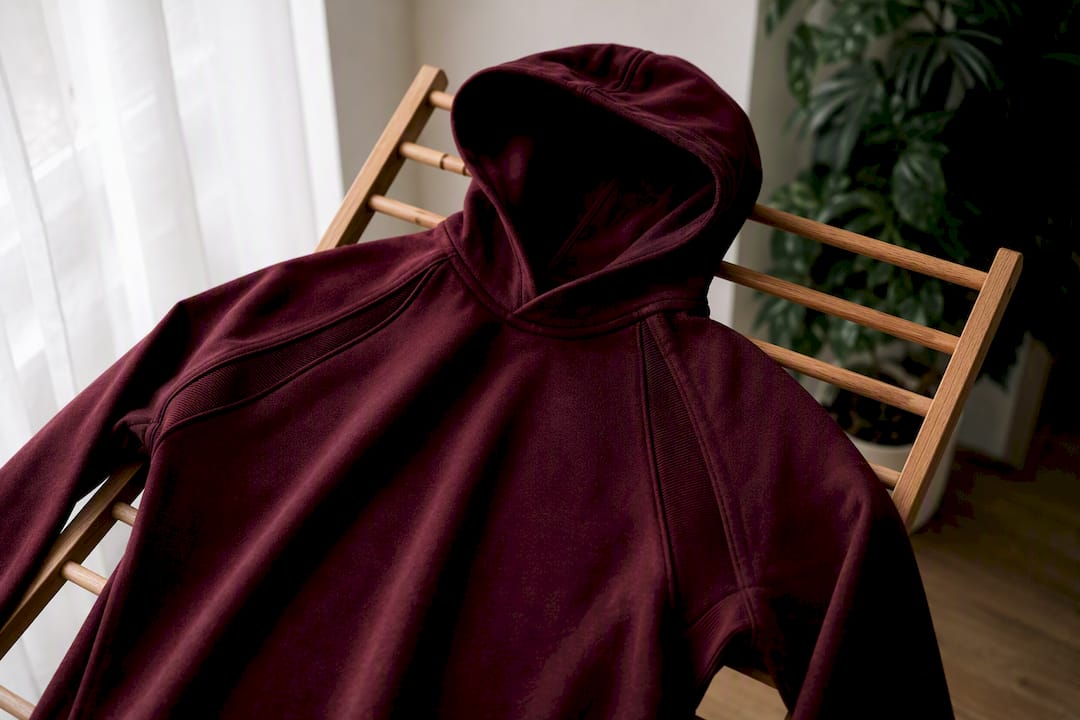
Lay the hoodie on a mesh drying rack or a clean towel on a flat surface. While it's still damp, gently tug the shoulders, cuffs, and hem back into their original shape. This step matters more than people think: a hoodie dried flat but never reshaped can still end up slightly warped.
Hang-drying works in a pinch, but skip single-point hangers. They stretch the shoulder seams over time and leave that telltale "hanger bump." A wide, padded hanger distributes weight more evenly if you're short on flat space.
- Air-dry flat on a mesh rack or towel
- Reshape shoulders, cuffs, and hem while damp
- Avoid single-point wire hangers
- If using a dryer, choose low heat or air-only, add dryer balls to lift the fibers, and pull the hoodie out while still slightly damp to finish flat
Pro Tip: Flat drying prevents the shoulder stretch that hang-drying causes over repeated washes. It's a bigger factor in long-term fit than the wash temperature you pick.
How Often Should You Wash a Hoodie?
Most hoodies don't need a wash after every wear. A common guideline is every two to seven wears, depending on how much you sweat in it and whether you wore it directly against your skin or layered over a shirt.
Between washes, spot-clean visible marks with a damp cloth and a touch of mild soap, and hang the hoodie somewhere ventilated overnight to air out odor. That alone defers a full wash cycle by days.
- Wash after 2 to 3 wears for workouts or direct skin contact
- Wash after 5 to 7 wears for occasional, layered use
- Spot-clean stains and air out odors between washes
- Fold heavyweight hoodies for storage rather than hanging long-term to avoid shoulder stretching
- Keep hoodies away from damp closets and direct sunlight, which fades color over time
Caring for Prints, Embroidery, and Fixing Post-Wash Problems
Screen prints and embroidery survive longest when washed inside out on a cold, low-agitation cycle. Turning the garment inside out is one of the simplest habits for protecting prints and reducing pilling on the outer fleece.
- Zip zippers and pin loose drawstrings before washing to prevent snags.
- Wash fleece and cotton-blend hoodies as usual; treat wool hoodies as hand-wash or dry-clean only.
- If a stain survives the dryer, don't panic, but don't tumble-dry it again either. Rewet the spot, apply a stain treatment, and hand-wash that section before attempting another full cycle.
- Accept that some heat-set stains are permanent. Repeated dryer cycles bake stains in rather than lifting them out.
| Feature | Care Rule |
|---|---|
| Prints or embroidery | Wash inside out, cold water, low agitation |
| Zippers and drawstrings | Secure or tie before washing to prevent snags |
| Wool hoodies | Hand-wash or dry-clean only |
| Post-dry stains | Re-treat and hand-wash the spot; don't re-tumble |
Why Kenny Wade's World Trusts This Routine
Every hoodie we design gets built around exactly this kind of care, cold water, low friction, no harsh heat, because that's what keeps fleece soft and prints sharp wear after wear.
A hoodie is only as good as how it survives the wash. We build ours to hold up to real, low-effort care, not a laundromat obstacle course.
Readers looking for hoodies made with this kind of longevity in mind can browse the full collection.
What Actually Matters Most When You Wash a Hoodie
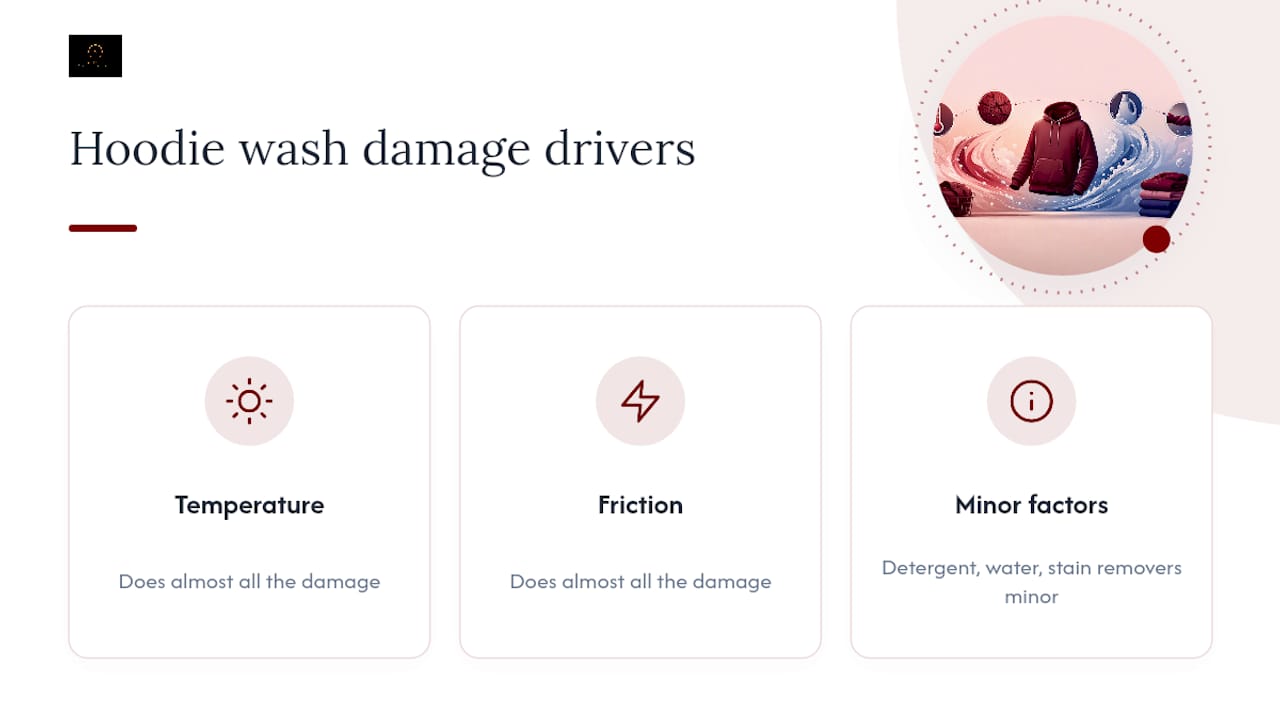
Most hoodie care advice treats every step as equally important, and that's where it goes wrong. Temperature and friction do almost all the damage. Detergent choice, water hardness, even brand of stain remover barely register next to those two variables.
The conventional wisdom oversells the dryer's danger and undersells how much shoulder stretch comes from bad storage and single-point hangers. People obsess over avoiding the tumble dryer entirely, then hang their hoodie on a thin wire hanger for three months and wonder why the shoulders sag. Storage habits do slower, quieter damage than a single wash cycle ever will.
If you only fix one habit, make it this: wash cold, dry flat, and reshape while damp. Everything else, vinegar rinses, mesh bags, detergent brand, helps at the margins. But those three steps account for most of the difference between a hoodie that looks new after fifty washes and one that looks tired after ten.
— Kenny
Where to Find Hoodies Built for This Kind of Care
A hoodie holds up to cold-water washing and flat drying only when it's built from fabric that can take it, and that's the standard behind every piece in the Kenny Wade's World lineup.

Each hoodie ships with a clear care tag covering wash temperature, drying guidance, and any fabric-specific notes, so you're not guessing the first time you do laundry. Fleece weights and cotton blends are chosen specifically to survive the cold-wash, flat-dry routine covered above without losing shape or softness after repeated cycles. If you want a hoodie that matches your style and your laundry habits, check out the current lineup. Look at the care details listed on each product page before you buy.