
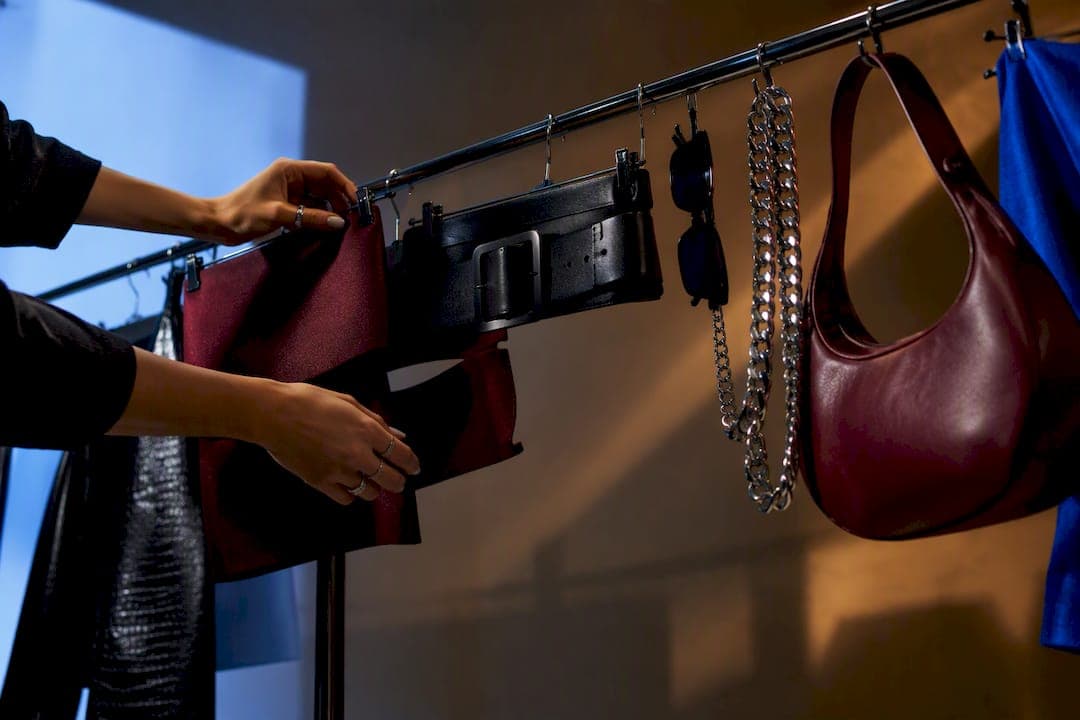
This guide rounds up the music video outfits fans still reference years later, from Beyoncé's rhinestone tank top to Katy Perry's color-coded looks, and shows you how to build wearable versions of them. You'll get the styling rules stylists use to make an outfit read on camera, plus tested formulas from Kenny Wade's own archives for pulling the look off with retail pieces.
TL;DR:
- Fans often copy statement pieces paired with basics, such as Beyoncé’s rhinestone tank top with denim shorts, to emulate iconic looks easily.
- Camera-ready outfits avoid stark white or black, favoring jewel tones and textures that maintain their appearance under strong lighting.
- Multiple quick outfit changes, like Selena Gomez’s eight looks in "Love," indicate a theme of transformation rather than focusing on a single look.
- Accessories like bold jewelry and statement bags are essential because they read well on camera and enhance visual impact in wide shots.
- Building these looks at home is possible with vintage or secondhand shopping, reusable statement pieces, and reliable supply sources recommended by stylists.
Table of Contents
- Iconic Looks That Still Inspire Music Video Fashion
- What Actually Reads Well on Camera
- How to Build These Looks From Your Own Closet
- Kenny Wade's Tested Camera-Ready Formulas
- Accessories and Makeup That Complete the Look
- Matching Your Outfit to the Video's Theme
- A Few Words From Kenny Wade
- Shop the Pieces Behind These Formulas
- Sources
- FAQ
Iconic Looks That Still Inspire Music Video Fashion
Certain outfits stick in memory because the styling did real work: it read clearly on camera, matched the song's mood, and gave fans something they could actually copy. Here are the moments that keep showing up in style boards and outfit round-ups.
- Beyoncé, "Crazy in Love": the white rhinestone tank top, denim shorts, and red pumps became one of the most repeated looks in music video history. Stylist Ty Hunter deliberately paired that accessible piece with high-fashion Versace looks later in the same video, giving the video both an aspirational moment and one fans could recreate for a few dollars at any denim rack.
- Katy Perry, "Chained to the Rhythm": stylist B. Åkerlund used a tight, intentional color palette and custom pieces to keep Perry visually distinct from the crowd of extras, a technique that made a single costume pop even in busy, wide shots, according to reporting on the shoot.
- Selena Gomez, "Bad Liar": costume designer Kari Perkins sourced vintage pieces and built others from scratch to keep the wardrobe grounded in character rather than costume-y spectacle, a choice that reads as more wearable on screen.
- Selena Gomez, "Love": this video is a wardrobe-volume outlier, with eight distinct outfit changes across its runtime, a reminder that high-concept videos often lean on quantity as much as any single look.
- Doja Cat's recent video work: her styling team has talked openly about overprepping and scheduling the most demanding looks earlier in the shoot day, a backstage habit that shapes how polished the final looks appear.
- Rihanna's era-spanning videos: her catalog moves between stark minimalism and maximalist glam, a range that has made her a recurring reference point for fans building mood boards.
- Madonna's video work from the 1980s and 1990s: her layered lace, cone bras, and religious iconography set a template that streetwear and high fashion still borrow from.
- Taylor Swift's narrative-driven videos: her wardrobe choices tend to track a story arc scene by scene, which makes her looks easier to isolate and copy individually rather than as one complete outfit.
A few takeaways sit underneath all of these:
- The most copied looks pair one statement piece with basics almost anyone already owns.
- Custom, one-of-one pieces build spectacle but rarely get replicated exactly; fans borrow the silhouette instead.
- High wardrobe-change counts, like Selena Gomez's eight looks in "Love," usually signal a video built around transformation as its own visual theme.
What Actually Reads Well on Camera
Camera-ready styling follows a few consistent rules that have little to do with trends and everything to do with how fabric and color behave under lights.
- Skip stark white or true black when possible. Both can blow out or flatten under strong lighting, which is why stylists often reach for jewel tones, deep matte colors, or textured fabric instead.
- Choose silhouettes that hold their shape in motion. Loose, boxy cuts can swallow definition on camera, while a fitted waist or defined shoulder line reads clearly even at a distance.
- Build in stretch for movement-heavy shoots. Dance sequences punish rigid fabric and rely on secure fastenings that won't shift mid-take.
- Shoot complex looks earlier in the day. Layered or heavily accessorized outfits benefit from fresh energy and good light, a scheduling habit stylists lean on when a video has multiple costume changes.
- Always bring backups. Fabric can behave differently once it's under studio lights or outdoors, so a second version of a key piece is standard practice on professional sets.
Pro Tip: Test any statement piece under a phone flashlight or a bright lamp before a shoot day. If a color shifts or a fabric goes shiny in a way you don't expect, swap it before you're on set.
Backstage teams typically pack multiple versions of a hero outfit for exactly this reason: industry reporting on video shoots notes that overprepping and carrying backups is standard practice because lighting and location can change how a piece looks in the final footage. Scheduling the hardest looks first, a habit one stylist described as a way to catch an artist's peak energy, also protects continuity if a shoot runs long.
How to Build These Looks From Your Own Closet
You don't need a costume budget to borrow the ideas above. These formulas translate the moments into pieces you can actually source.
- Tank top, denim shorts, statement heels: the Beyoncé formula. Swap the rhinestones for a graphic tee if you want a lower-key version.
- One color-blocked outfit against a neutral crowd: the Katy Perry formula. Pick one saturated color and keep every other piece muted so the eye goes straight to you.
- Vintage separates, mixed eras: the "Bad Liar" formula. A thrifted blouse with modern denim reads as intentional rather than costume-heavy.
- Multiple quick outfit changes built around one accessory: the wardrobe-volume approach behind Selena Gomez's eight-look video. Reuse one bag or jacket across looks to tie them together without buying eight full outfits.
- Metallics or sequins under low light: they catch movement better than matte fabric, useful for any low-lit or nighttime setting.
- A single oversized outerwear piece over a fitted base: keeps silhouette definition while adding visual scale for wide shots.
Budget-wise, vintage and secondhand shops tend to be the cheapest route to an era-specific look, streetwear labels cover most modern references, and costume rental houses make sense for anything closer to spectacle than everyday wear. For period-specific inspiration, Kenny Wade's own breakdown of 70s style and festival-ready formulas both build on the same one-statement-piece logic.
Kenny Wade's Tested Camera-Ready Formulas
Kenny Wade's blog has run a few outfit formulas through repeated testing on stage and on camera. The one-statement-piece method works for a Beyoncé-style tank-and-shorts moment, while the festival formula covers the layered, movement-friendly looks that suit dance-heavy shoots.
Accessories and Makeup That Complete the Look
Accessories carry more weight on camera than they do in person, since a single bold piece often has to register from a wide shot. Oversized hoops, chain necklaces, and a statement bag do the job that a dozen small accessories can't. Makeup for video tends to lean into definition rather than subtlety: a strong lip or a graphic eye holds up under stage lighting where a soft, blended look can disappear entirely.

Streetwear's influence shows up heavily here too. Chunky jewelry, logo pieces, and layered chains borrowed from hip hop culture have become a recurring reference point in pop and R&B videos alike, and that crossover is part of why so many "iconic" looks feel wearable off camera rather than costume-bound.
Match your makeup intensity to your outfit's boldness rather than doubling up on both. A high-glam outfit with heavy makeup can read as busy on camera, while a simpler outfit gives a bold lip or eye room to be the focal point.
Matching Your Outfit to the Video's Theme
An outfit should tell the viewer something about the setting before a single lyric plays. A desert-shot video calls for breathable, sun-faded tones; a nightclub concept wants reflective fabric and darker palettes that catch artificial light.
Genre matters here as much as location. Pop videos tend toward bright, high-contrast color; R&B leans into sleeker silhouettes and moodier lighting; hip hop and streetwear-adjacent videos draw on the layered, logo-forward pieces discussed above; rock videos often favor leather, denim, and worn textures that read as lived-in rather than styled. Kenny Wade's rock concert outfit formulas apply the same durability logic to real venue wear.

If a video's concept involves a specific era or subculture, commit to it fully rather than dropping in one referential piece. A single 70s-style collar on an otherwise modern outfit tends to look accidental rather than intentional, while a fully committed palette and silhouette reads as a clear choice.
A Few Words From Kenny Wade
Music and clothing have always been the same instinct to me: you're building an identity you want people to recognize instantly. I built this brand so fans could take these ideas off the screen and into their own closets. Try one of these formulas and tag your version.
— Kenny Wade
Shop the Pieces Behind These Formulas
If you want to build any of these looks without hunting through five different stores, Kenny Wade Clothing carries the kind of versatile pieces these formulas depend on.
- Statement tees and tanks built to anchor a Beyoncé-style basics-and-bold-piece outfit.
- Versatile jackets that work as the oversized outerwear layer in colder or evening shoots.
- Festival-ready pieces designed around the same layered, movement-friendly logic covered above.
Browse the current lineup at Kennywadesworld and start building your own version of these looks.
Sources
- Selena Gomez wears eight outfits in 'Love' music video — fashion breakdown
- The Story Behind Beyoncé’s Iconic “Crazy In Love” Outfits | British Vogue
- Selena Gomez 'Bad Liar' Music Video: The Story Behind Her Costumes | Billboard
- Katy Perry's stylist on 'Chained to the Rhythm' fashion | The Hollywood Reporter
FAQ
What should I wear for a music video?
Pick one statement piece, whether that's a bold color, a textured fabric, or a single accessory, and build simple, well-fitted basics around it. Stylists behind videos like Beyoncé's "Crazy in Love" have used this exact mix of one accessible piece and one aspirational piece to keep looks both memorable and copyable.
What is the 3-3-3 rule for clothes?
The 3-3-3 rule is a capsule wardrobe method where you choose three tops, three bottoms, and three shoes to build a limited, mixable wardrobe for a trip or season. It's not specific to music videos, but the same logic applies well to building a small, camera-ready capsule for a shoot.
What outfits look best on camera?
Outfits in jewel tones or deep matte colors tend to read better than stark white or black, and fitted silhouettes hold their shape more clearly than loose, boxy cuts. Stylists also favor flexible fabrics with secure fastenings for any look involving dancing or movement.
What music video has the most outfit changes?
Selena Gomez's "Love" music video features eight distinct outfit changes, making it one of the more wardrobe-heavy videos fans reference. High change counts like this usually signal a video built around transformation as a visual theme in itself.