
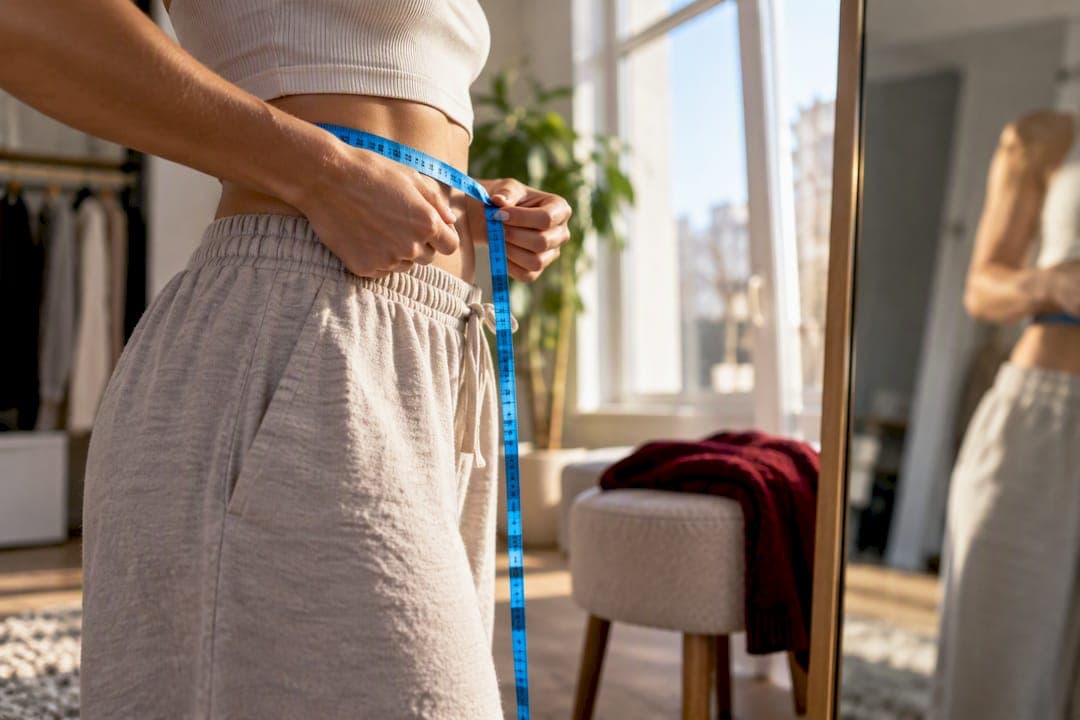
Measure your chest or bust, waist, hips, and inseam with a flexible tape, then compare those numbers to the retailer's unisex streetwear sizing advice for garment measurements, not the label size. When your numbers fall between two sizes, choose based on the fit you want: size down for snug, size up for relaxed. Standards like ASTM and ISO, along with clear retailer disclosures, make these charts far more reliable than guessing from a size label alone.
TL;DR:
- Body measurements should be compared to both body and garment charts to account for ease and fit preferences, especially with fabrics that stretch or do not.
- Retailer charts following ASTM and ISO standards tend to be more accurate and consistent, reducing sizing confusion and returns.
- When measurements fall between sizes, choose a larger size for relaxed fits and smaller for snug fits, considering fabric stretch and garment style.
- Converting sizes across regions is imprecise, so it is better to trust actual garment measurements than regional size labels.
- Re-measuring regularly and comparing with laid-flat garment dimensions helps ensure a proper fit before purchasing online.
Table of Contents
- Which measurements matter for each type of garment
- How to measure your body accurately at home
- Reading a size chart: body measurements versus garment measurements
- Converting sizes across countries without guessing
- Standards and best practices behind reliable size charts
- Printable templates and a quick pre-order checklist
- Why clear sizing guidance shapes how we build our site
- Shop Kenny Wade Clothing with confidence in your fit
- Sources
- FAQ
Which measurements matter for each type of garment
Not every purchase needs a full set of measurements. Matching the right numbers to the right garment saves time and cuts down on guesswork.
- Chest or bust: the fullest point around your torso, critical for tops, dresses, and jackets.
- Waist: your natural waistline, needed for pants, skirts, and fitted dresses.
- Hips: the fullest point around your seat, important for pants, skirts, and dresses.
- Inseam: inner leg length from crotch to ankle, essential for pants and shorts.
- Neck and sleeve: needed for dress shirts and button-downs where collar fit matters.
- Shoulder and rise: shoulder width refines blazer and jacket fit, while rise affects how pants sit on your waist or hips.
Tops and dresses hinge mostly on chest and waist. Pants need waist, inseam, and rise together, since two pairs with the same waist can fit very differently depending on rise. Shirts depend on chest, neck, and sleeve length working in combination. Categories like missy, junior, plus, and petite can shift which measurements a chart emphasizes: petite sizing often adjusts inseam and sleeve length, while plus sizing may add separate hip and waist grids rather than scaling a single chart.
How to measure your body accurately at home
You only need a flexible tape measure, a mirror, and well-fitted clothing or underwear. A second person can help keep the tape level, though it is not required.
- Chest or bust: wrap the tape around the fullest part of your chest, keeping it level and snug but not tight.
- Waist: measure around your natural waistline, usually the narrowest point above your belly button.
- Hips: wrap the tape around the widest part of your hips and seat.
- Inseam: measure from the crotch seam of a well-fitting pair of pants down to the hem.
- Neck: wrap the tape around the base of your neck, leaving room for one finger.
- Sleeve: measure from the center back of your neck, across the shoulder, and down to the wrist.
- Shoulder: measure straight across the back from one shoulder seam to the other.
Common errors include letting the tape sag, measuring over bulky clothing, or rounding numbers up out of habit. Stand naturally rather than sucking in your stomach or puffing out your chest, since posture changes every reading. Keep the tape parallel to the floor for waist and hip measurements, and repeat each one twice to confirm consistency.
Pro Tip: Measure at the same time of day and in similar clothing each time, since body measurements can shift slightly with hydration and posture.

Reading a size chart: body measurements versus garment measurements
A body measurement describes your actual physical size, while a garment measurement (often called "laid-flat") describes the finished dimensions of the clothing itself. Retailers publish one, the other, or both, and understanding the difference prevents a lot of sizing mistakes.
- Body measurement charts ask you to compare your own numbers directly to a size range.
- Garment measurement charts show the actual dimensions of the piece once it is laid flat and doubled where needed.
- Ease is the extra room built into a garment beyond your body measurement: roughly 1 to 2 inches for a slim fit, 2 to 4 inches for a regular fit, and 4 inches or more for a relaxed or oversized fit.
Retailers that publish both body and garment measurements alongside pictograms and their measurement method tend to see better conversion and fewer returns than those that list label sizes alone, according to Shopify's sizing guidance. When your measurements span two sizes, size up for structured fabrics with little stretch and size down for jersey or fabrics with added spandex.
Converting sizes across countries without guessing
Country-to-country size conversions are approximate at best, since manufacturers in different regions use different base measurements even for the same labeled size. A US size 8 dress is not identical across every brand, and a chart's "EU 38" can vary by a full size depending on the maker.
- US to UK: UK sizes typically run about four sizes larger than the equivalent US number for womenswear.
- US to EU: EU sizing often adds around 30 to 32 to the US number as a rough starting point.
- Letter sizes (S, M, L) carry no fixed numeric definition, so always check a brand's own chart rather than assuming consistency.
When a conversion chart and a retailer's garment measurements disagree, trust the garment measurements every time. They reflect the actual piece you would receive, not a generalized regional average.
Standards and best practices behind reliable size charts
Reliable size charts do not appear by accident. ASTM D5585 sets standard body measurement tables for women's missy sizes 00 to 20, while ASTM D6240/D6240M does the same for men's chest sizes 34 to 52 across short, regular, and tall builds. ISO 8559-1 defines the anthropometric measurement methods and pictograms that many retailers use as the basis for their own charts.
Standard tables and consistent measurement intervals help manufacturers align their sizing and reduce confusion for shoppers comparing charts across brands.
Retailers following Shopify's guidance typically publish both body and garment measurements with a clear pictogram showing exactly where each number is taken. Check a product page for a labeled diagram and a stated measurement method before trusting the chart.
Printable templates and a quick pre-order checklist
A simple printable template needs just a few fields: measurement name, unit (inches or centimeters), your number, the garment's number, and a notes field for fit preference.
- Re-measure yourself if it has been more than a few months since your last check.
- Compare your numbers to the garment's laid-flat measurements, not just the size label.
- Check the fabric content for stretch, since spandex or jersey blends fit differently than woven cotton.
- Read fit notes or verified customer reviews for guidance on runs-small or runs-large patterns.
- Confirm the return policy before you order, in case the fit still needs an exchange.
For a hands-on walkthrough, our t-shirt sizing guide and five-step measurement approach apply the same checklist to a specific garment type.
Why clear sizing guidance shapes how we build our site
Fit confusion drives returns, and returns hurt everyone from the shopper waiting on a refund to the brand absorbing shipping costs. That is why Kenny Wade's World treats sizing guidance as part of the product itself, not an afterthought. Our t-shirt sizing resources walk through the same measurement-first steps covered here, because a shopper who measures correctly the first time rarely needs a second order. Before you buy anything, take five minutes with a tape measure. It saves more time than it costs.
— Kenny Wade
Shop Kenny Wade Clothing with confidence in your fit
Some retailers publish both garment and body measurements on their product pages, so you are not left comparing a vague label size against your own numbers. Fit questions get answered before checkout, not after the package arrives.
| What you get | Why it matters |
|---|---|
| Garment measurements per product | Compare actual dimensions, not just a size label |
| Body measurement reference | Match your own numbers to the right size |
| Measurement-first sizing guides | Reduce guesswork before you order |
Browse the current lineup at Kenny Wade Clothing and check the size details on any product page before you check out.
Sources
For deeper reference, see ASTM D5585 and ASTM D6240/D6240M for body measurement tables, ISO 8559-1 for anthropometric definitions, and Shopify's sizing guidance for retailer best practices. Returns data from Digital Commerce 360's holiday season analysis supports the case for clearer charts.
- D5585-21 Standard Tables of Body Measurements for Adult Female Misses Figure Type, Size Range 00–20
- ISO 8559-1:2017 - Size designation of clothes — Part 1: Anthropometric definitions for body measurement
- Sizing Charts: How to Make a Size Chart (2025) — Shopify
FAQ
What is the size chart for US sizes?
US size charts vary by retailer and category, so there is no single universal chart. The most reliable approach is to check the specific brand's published body and garment measurements rather than relying on a generic size number.
Is a 32 waist a size 12 or 14?
It depends entirely on the brand, since a 32-inch waist can fall anywhere between a size 10 and 14 depending on how that retailer builds its chart. Always check the brand's own waist measurement rather than assuming a fixed size number applies.
How do I know what size to order online?
Measure your chest or bust, waist, hips, and inseam, then compare those numbers to the retailer's garment measurements rather than the label size. If your measurements fall between two sizes, size up for a relaxed fit or down for a snug one based on the fabric's stretch.
Where can I find a printable size chart?
Many retailers offer downloadable or printable size charts directly on their sizing pages, often alongside a measurement pictogram. Our own t-shirt sizing guide includes a step-by-step format you can print and use at home.