
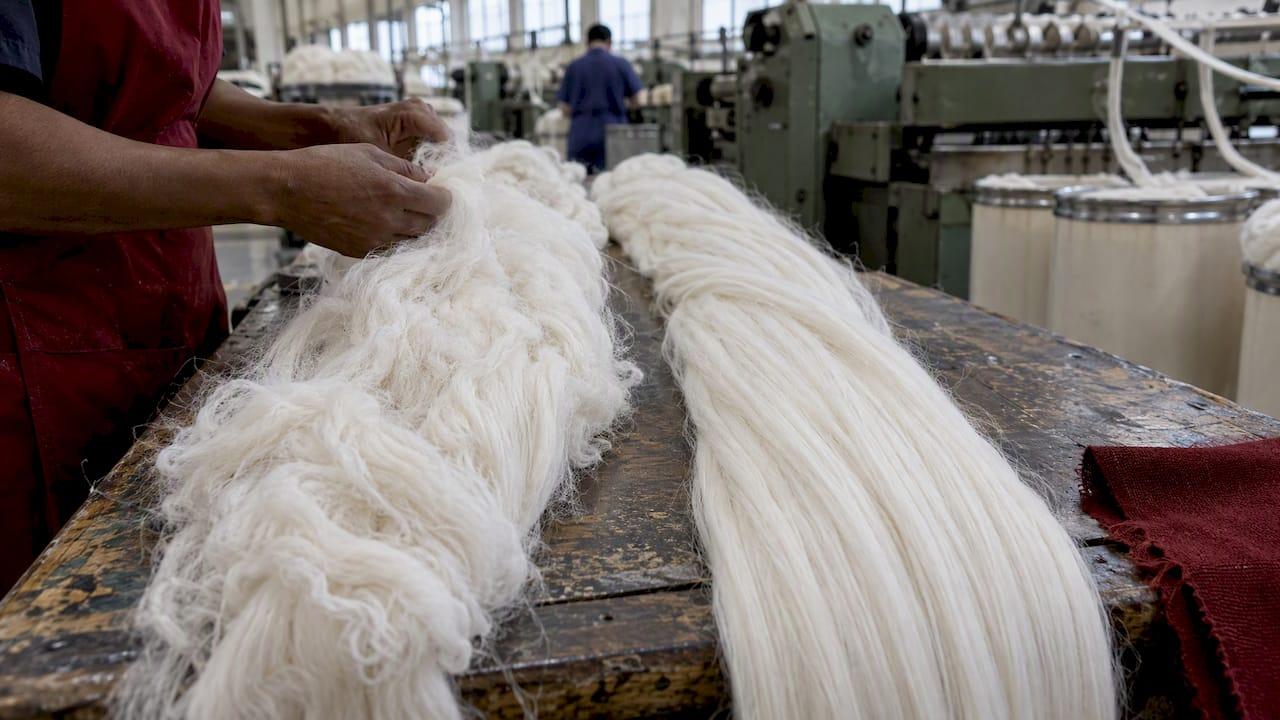
Carding is the baseline step every cotton fiber goes through before it becomes yarn, aligning fibers into a loose rope called a sliver. Combing is an extra refining pass that removes short fibers from that sliver, producing smoother, stronger, more even yarn. Choose combed cotton when you want a softer hand and less pilling, and carded when you want a sturdier, more budget-friendly basic.
TL;DR:
- Combing removes roughly 4% to 24% of fiber mass as noil, which mills may recycle into lower grade yarns or specialty fabrics.
- Combed yarn typically costs 8% to 20% more than comparable carded yarn because extra processing and discarded noil reduce usable fiber.
- For fabrics above roughly 200 grams per square meter, carded cotton can work; combing matters more in lightweight garments, where roughness is harder to mask.
- For sensitive skin, combed cotton may reduce friction from loose fiber ends, but dyes and finishes can matter more than the carding or combing process.
- Ask suppliers whether cotton is fully or partly combed, the noil removal rate, and whether the yarn uses ring spinning or open end spinning.
Table of Contents
- Combed vs Carded Cotton at a Glance
- How Carding and Combing Work in the Mill
- What the Processing Difference Feels Like in Finished Fabric
- How to Choose Between Combed and Carded Cotton
- What We Look for When Sourcing Cotton
- Breathability and Comfort in Combed vs Carded Fabric
- Dye Absorption and Color Vibrancy
- Environmental Considerations in Combed vs Carded Production
- Skin Sensitivity and Combed vs Carded Cotton
- Why This Processing Difference Deserves More Attention
- How We Apply Combed Cotton Choices in Our Clothing
- FAQ
- Sources
Combed vs Carded Cotton at a Glance
The two fabrics start from the same raw cotton bale, but the processing gap between them shows up in nearly every way you can touch, see, or wash a garment. Combing is the single variable that explains most of what separates a premium t-shirt from an everyday one.
Staple length and fiber alignment are the starting point. Carded cotton keeps fibers of mixed lengths, including the short ones that create fuzz and unevenness. Combing pulls out those short fibers, leaving only the longer ones aligned in parallel, which is why combed yarn looks and feels more uniform under a magnifying glass or even to the naked eye.
That alignment changes surface appearance. Combed fabric reflects more light evenly across its surface, giving it a subtle luster that carded cotton lacks, and it tends to drape with a smoother fall rather than carded cotton's slightly stiffer, more textured hand.
Strength and wear resistance follow the same logic. Longer, more uniform fibers interlock more effectively during spinning, which combed yarns are smoother, stronger, and shed less fiber during production compared with carded yarns of the same cotton origin. Fewer short fibers also means fewer loose ends poking out of the yarn surface, which is the direct cause of pilling and lint buildup over repeated washes.
Combing can remove roughly 4% to 24% of the fiber mass as noil, depending on the input cotton and the mill's settings. That lost material is not waste in the trash sense: mills often recycle it into lower-grade yarns or specialty slub-effect fabrics. But every percentage point of noil removed is cotton a mill paid for and then set aside, which is the core reason combed fabric costs more to produce.
Here is a quick checklist for recognizing which one you are holding or buying:
- Surface feel: combed cotton feels smoother and less fuzzy; carded cotton feels slightly coarser or fuzzier to the touch.
- Visual sheen: combed fabric shows a faint, even luster; carded fabric looks more matte and textured.
- Pilling after wash: combed cotton resists pilling better; carded cotton tends to pill sooner, especially at friction points like underarms.
- Price tag: combed cotton garments typically cost more per unit because of the added processing step and fiber loss.
- Label language: look for "combed" or "ring-spun combed" explicitly stated; its absence usually means carded.
How Carding and Combing Work in the Mill
Understanding the mill process makes it much easier to interpret a vendor's spec sheet or a clothing label that throws around terms like "ring-spun" or "combed" without explanation.
Raw cotton arrives at a mill as compressed bales full of tangled fibers, seed fragments, leaf matter, and dust. The first stage is opening and cleaning, where machines loosen the compressed fiber mass and pull out the larger debris. From there, the fiber moves into carding, which is the foundational fiber-preparation step that happens for every cotton yarn, whether the final product will be combed or not. Carding machines use rotating cylinders covered in fine wire teeth to separate individual fibers, remove the remaining trash, and arrange the fibers into a loose, continuous rope called a sliver. There is no commercial cotton yarn that skips this step.
Combing is where the paths diverge. If a mill wants a finer, smoother yarn, the carded sliver goes through additional preparation: several slivers are combined into a lap, a wide, flat sheet of fiber. That lap feeds into a combing machine, where a rotating comb with fine needles grips the longer fibers and pulls out the shorter ones along with any remaining debris, a process that mechanically aligns fibers and removes short fibers, with the discarded noils sometimes recycled into lower-grade or specialty yarns. What remains is a cleaner, more parallel fiber bundle. After combing, the fiber typically goes through gilling and drawing stages, which further straighten and blend the strands before spinning.
A mill can run this process at different intensities, which is where "fully combed" and "partially combed" come into play. Fully combed cotton has gone through a more aggressive noil removal, stripping out a higher percentage of short fibers for maximum smoothness and strength. Partially combed cotton removes less noil, landing somewhere between standard carded and fully combed in both feel and cost.
Noil removal in commercial combing commonly falls between about 4% and 24% of the fiber by weight, and mill technicians often use that percentage as a quick quality signal when sourcing yarn. A higher noil percentage, up to a point where it stops making economic sense, generally points to a more thorough combing pass suited for finer yarn counts.
Spinning method matters here too. Combed slivers are the standard input for ring-spun yarn, which twists fibers into a tight, strong strand well suited to fine-count, high-end fabrics. Carded slivers are common in open-end spinning and in everyday basics where cost control matters more than surface smoothness.
In sequence, the mill flow looks like this:
- Raw cotton bales are opened and cleaned of large debris.
- Carding separates fibers and forms a loose sliver, a step every cotton yarn goes through.
- Carded slivers destined for standard yarn move directly toward spinning.
- Slivers destined for combed yarn are combined into a lap.
- The lap passes through a comber, which removes short fibers as noil.
- Combed sliver goes through gilling and drawing to further align fibers.
- The finished sliver is spun into yarn, often by the ring-spinning method for combed cotton.
What the Processing Difference Feels Like in Finished Fabric
Everything described in the mill eventually lands on your skin, and the gap between combed and carded cotton becomes obvious the moment you touch a finished shirt or sheet.
Combed fabric feels smoother largely because the yarn needs less twist to achieve the same strength. Longer, more uniform fibers grip each other more effectively, so spinners can use a lower twist, which produces a softer yarn with fewer stray fiber ends sticking out. Carded yarn, carrying a wider mix of fiber lengths, needs a tighter twist to hold together, and that twist plus the shorter fibers create the slightly rougher texture you feel on a basic cotton t-shirt.
Durability differences show up in two places you rarely think about: on the production line and in your laundry basket. During knitting or weaving, combed yarn tends to break less often because it has fewer weak points from short, poorly anchored fibers, which keeps production running smoother and reduces defects in the finished cloth. Once the garment is in use, that same fiber consistency means fewer loose ends available to tangle into pills, so combed cotton holds its surface appearance through more wash cycles.
Lint behavior follows the same pattern. The short fibers removed during combing are exactly the fibers most likely to work loose and shed as lint or fuzz. Carded fabric retains those fibers, which is why a carded cotton shirt sheds more lint in its early washes and tends to look slightly fuzzier over time.
Whether combing is essential or just a nice-to-have depends heavily on fabric weight and yarn count, something covered in more depth in our breakdown of GSM and what it tells you about clothing quality. In a heavy, thick fabric, carded cotton can still feel reasonably soft because the sheer density of fiber masks some roughness. In a lightweight, fine-count fabric, combing becomes far more important because there is less fiber mass to hide imperfections, and a carded version of a fine, airy t-shirt will feel noticeably rougher than its combed counterpart.
A few quick things to check:
- Hand feel test: rub the fabric between your fingers; combed cotton glides smoothly, carded cotton has slight resistance or texture.
- Light test: hold the fabric up to light; combed cotton shows a more even, slightly glossy surface.
- Label check: look for "combed," "ring-spun combed," or a stated yarn count alongside the fiber content.
- Weight context: on heavier fabrics, the combed versus carded difference is less noticeable than on lightweight fabrics.
Pro Tip: Pinch a sleeve or hem between two fingers and gently twist. If you feel small loose fibers lifting immediately, you are likely holding carded cotton rather than combed.
How to Choose Between Combed and Carded Cotton
Matching the right fabric to the right product keeps you from overpaying for a feature you will not notice or underbuying for one you will.
- Match the fabric to the product category. Choose combed cotton for premium t-shirts, fitted basics, and anything worn close to the skin where softness is the main selling point; carded cotton works fine for heavier basics, workwear, and casual layers where durability against rough use matters more than surface polish.
- Ask vendors direct questions. Find out whether the yarn is fully or partially combed, what percentage of noil was removed, the yarn count, and whether it is ring-spun or open-end, since these details determine the actual feel you will get.
- Factor GSM into your decision. On heavier fabrics above roughly 200 grams per square meter, carded cotton can perform acceptably well; on lighter fabrics, combing matters more because there is less fiber to disguise roughness, a relationship explained further in our guide to GSM in clothing.
- Set price expectations accordingly. Combed cotton yarns typically carry a price premium, commonly in the 8% to 20% range over comparable carded yarns, reflecting the extra processing step and the fiber lost as noil.
- Run a simple retail check before buying. Feel the surface for smoothness, check for visible loose fibers or lint on the garment's surface, and if possible ask about expected pilling behavior after repeated washes.
- Consider resale and longevity. If you expect a garment to be worn frequently over years rather than seasons, the lower pilling and lint of combed cotton often justifies the higher upfront cost. For a deeper look at how fabric choice plays out specifically in tees, see our guide to t-shirt fabric types.
What We Look for When Sourcing Cotton
When we evaluate cotton for our own clothing line, the processing story behind the yarn matters as much as the finished look. We favor ring-spun combed cotton for pieces meant to sit close to the skin, because the combination of fiber alignment and spinning method produces a softer hand and fewer surface defects over repeated wear, a relationship we also unpack in our piece on ring-spun cotton versus standard cotton.
Consistency in GSM matters just as much as the yarn itself. A garment can use excellent combed yarn and still disappoint if the fabric weight varies across a production run, so we treat GSM consistency and stitch quality as checkpoints alongside fiber choice.
The right yarn choice is never just about softness. It is about whether the garment still looks and feels right after fifty washes, not five.
Balancing comfort, durability, and price means accepting that combed cotton is not the automatic answer for every piece. A heavyweight hoodie or a casual layering piece can use carded cotton without disappointing anyone, while a fitted tee or anything designed to be worn directly against skin benefits from the smoother, lower-pilling profile combed cotton provides.
— Kenny Wade
Breathability and Comfort in Combed vs Carded Fabric
Breathability in cotton fabric depends mostly on weave structure and GSM, but fiber preparation plays a supporting role worth understanding. Combed cotton's tighter, more even yarn structure allows for a finer, more consistent knit or weave, which can translate into a fabric that feels lighter and more breathable at a given weight compared with a carded equivalent spun to the same thickness.
Carded cotton fabrics are not inherently less breathable, but the slightly coarser, less uniform yarn often requires a bit more mass to achieve the same strength, which can nudge the finished fabric toward a denser, warmer feel. In practice, the comfort difference most people notice is less about airflow and more about surface sensation: combed cotton's smoother yarn moves against the skin with less friction, which many people experience as more comfortable in warm weather or for all-day wear.
For sheets and other bedding where airflow against skin matters most through the night, staple length of the raw cotton itself also plays a major role in both softness and breathability, a topic explored well in this guide to long-staple cotton for bedding.

Dye Absorption and Color Vibrancy
The smoother, more uniform surface of combed yarn affects how it takes dye. Because combed fibers are more tightly and evenly aligned, dye tends to penetrate and distribute more consistently across the yarn, which often produces a cleaner, more saturated color result with fewer light or dark streaks.
Carded yarn's looser, more varied fiber arrangement can lead to slightly uneven dye uptake, since shorter and longer fibers within the same yarn may absorb dye at marginally different rates. This does not make carded cotton garments look poorly dyed in everyday wear, but under close inspection or in critical color-matching applications, combed cotton tends to show more uniform, vibrant color.
This is one reason premium garments marketed on color saturation, like deep solid-color basics, often use combed or ring-spun combed cotton rather than standard carded yarn. The fiber consistency gives dye less variation to work against.
Environmental Considerations in Combed vs Carded Production
Combing adds an extra mechanical processing stage, which means additional energy use and machine time compared with producing carded yarn alone. It also removes a portion of the raw fiber as noil, meaning more raw cotton must be grown and processed to yield the same amount of finished combed yarn relative to carded yarn.
That said, the noil removed during combing is rarely wasted outright. It is commonly recycled into lower-grade yarns, nonwoven products, or blended into specialty slub yarns, which combing's byproduct fibers can be redirected into other textile applications rather than discarded.
For shoppers weighing environmental impact, the more meaningful variables tend to be how the raw cotton was farmed, water use in cultivation, and the garment's expected lifespan, rather than the carding-versus-combing step alone. A combed cotton garment that resists pilling and lasts significantly longer can offset some of its extra processing footprint simply by needing replacement less often.
Skin Sensitivity and Combed vs Carded Cotton
For people with sensitive skin or conditions like eczema, fabric texture is not a minor preference, it is often the difference between comfortable wear and irritation. Combed cotton's smoother surface and reduced short-fiber content mean fewer loose fiber ends available to create friction or catch against skin, which can make it a gentler option for sensitive areas.
Carded cotton is not inherently irritating for most people, but its slightly rougher surface and higher tendency to shed short fibers can be more noticeable for those with heightened skin sensitivity, particularly in garments worn directly against the body for long periods, like undershirts or sleepwear.
Neither fabric type is associated with cotton allergies specifically, since true cotton fiber allergies are uncommon and usually relate to processing chemicals, dyes, or finishes rather than the carding or combing step itself. Anyone with known fabric sensitivities should still check for added finishes or dye types on the label, since those factors often matter more than the carded versus combed distinction alone.
Why This Processing Difference Deserves More Attention
Most shoppers assume fabric quality comes down to thread count or a vague sense of "premium" branding, when the carding and combing distinction is actually doing most of the work behind softness, durability, and how a garment ages. I think the real gap is that this information rarely makes it onto a hangtag, so people pay combed-cotton prices without always getting combed-cotton processing, or they skip combed cotton entirely for a basic where carded fabric would have served them just as well.
Treating this as a spec worth checking, not a marketing buzzword, changes how you shop. We try to make that distinction clear in how we describe our own pieces, because a shopper who understands what they are buying tends to be a happier long-term customer. If you want to see how these choices show up in an actual product line, our clothing collection is a reasonable place to start comparing fabric descriptions firsthand.
How We Apply Combed Cotton Choices in Our Clothing
We focus on cotton selections across pieces where comfort against skin and long-term durability matter most, pairing that fiber choice with consistent GSM so a shirt feels the same from the first wear to the fiftieth. For heavier, more casual layers, we use cotton that suits the garment's purpose without asking shoppers to pay a premium they may not notice.
When you browse our pieces, a few details on the product page tell you what you are actually getting:
- Yarn type: look for "ring-spun" or "combed" listed alongside the cotton content.
- GSM: a stated fabric weight helps you judge whether a lighter combed fabric or a heavier carded one fits your use.
- Care instructions: combed cotton pieces often hold shape and color better over repeated washes when cared for as labeled.
- Fit and use case: check whether a piece is positioned as a fitted basic or a casual layer, since that signals which fabric approach we used.
If smoother, longer-wearing cotton is what you are after, our Kenny Wade Clothing collection is where to start browsing for pieces built around that choice.
FAQ
What's the difference between carded and combed wool?
Wool processing splits into carded (woolen) and combed (worsted) systems much like cotton, but the distinction carries more weight in wool because it defines entirely different yarn types and end uses. Carded wool keeps fibers in a looser, more random arrangement suited to bulky, textured yarns, while combing aligns fibers for durability and fineness in worsted yarns used for smoother, finer fabrics.
Is 100% combed cotton real cotton?
Combing does not add synthetic material or change the fiber type, it simply refines the same raw cotton used in carded yarn into a smoother, more uniform strand.
Why is wool carded?
Wool is carded to clean and align its naturally crimped, varied-length fibers into a workable sliver before spinning, the same basic purpose carding serves for cotton. Carding is the foundational step for wool yarn whether the final product stays carded (woolen) or proceeds to combing for a worsted yarn.
What type of cotton is not carded or combed?
Raw, unprocessed cotton fiber straight from the gin has not yet been carded or combed, but it also cannot be spun into yarn in that state. Carding happens for every cotton yarn produced commercially, so a finished cotton yarn or fabric that skipped both steps does not exist in standard mill production.
Sources
- Cotton Spun Yarns for Knit and Woven Fabrics (Cotton Incorporated)
- How cotton combing machine works — Cotton Gins blog
- What is Combed Cotton Yarn: Properties, Varieties, Uses & Global Market - Fibre2Fashion