
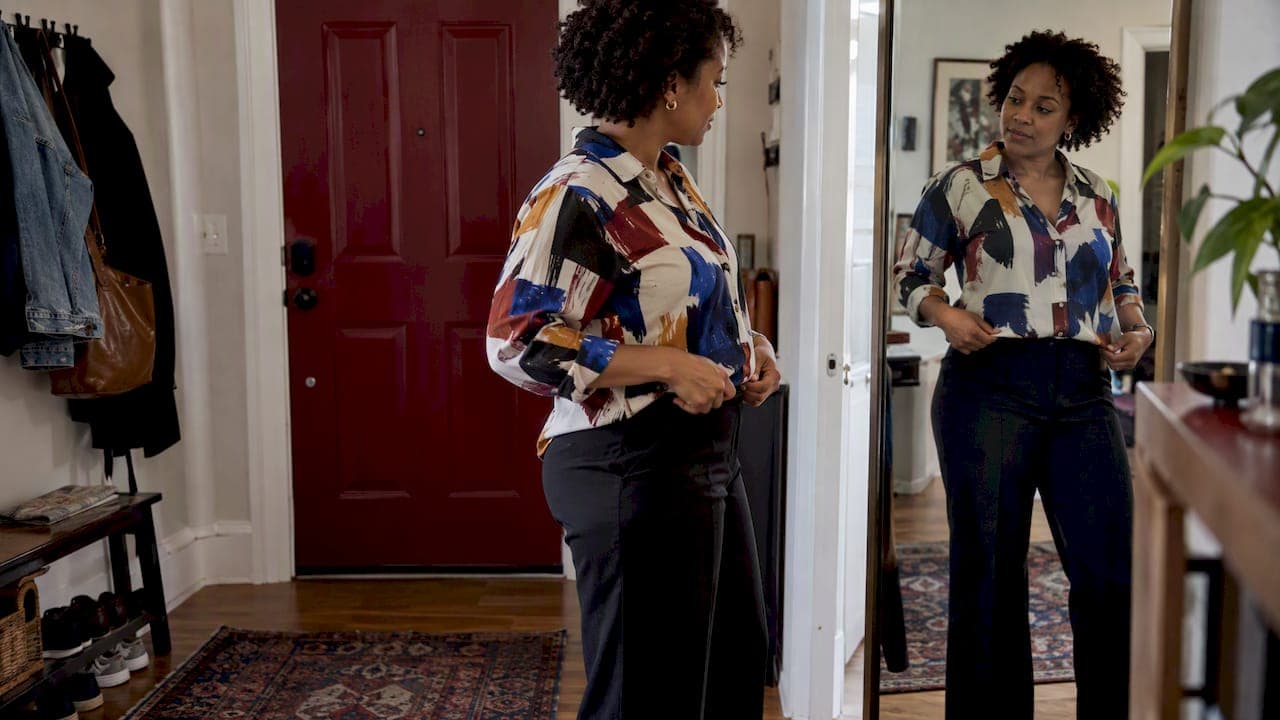
Artist-inspired clothing is apparel whose design starts from an artist's work, style or identity: a painting translated into a print, a hand-finished jacket, a graphic tee drawn by a illustrator, or a casual piece built around a musician's world. The best versions do more than put a picture on fabric. They are comfortable enough for a normal Tuesday and distinctive enough that people ask where you got them. This guide explains the main types, how to choose well, how to style the pieces with what you already own, and how to keep them looking good.
TL;DR
- Artist-inspired clothing ranges from fine-art prints and collaborations to hand-made wearable art and music-driven casual wear.
- Build around one standout piece and ground it with solid basics such as tees, denim and neutral knitwear.
- Check fit, fabric and the maker's story before you buy, and use the brand's own size chart.
- Follow the care label on printed garments. In the US, sellers of apparel must provide care instructions.
- Music is art too: a musician's visual identity can be as wearable as a painter's.
Table of Contents
- What artist-inspired clothing actually is
- The main types of artist-inspired clothing
- Which artists and movements show up in clothes
- Music is an art form, and it makes great clothing
- How to choose a piece you will actually wear
- Styling artist-inspired clothing for everyday life
- Our perspective
- Caring for printed and art-inspired garments
- Shop the look at Kenny Wade's World
- FAQ
- Sources
What artist-inspired clothing actually is
The phrase covers a wide field, so it helps to define the core idea. A garment is artist-inspired when an artist's vision shapes how it looks or what it means, whether that is a direct reproduction of an artwork, a collaboration, or a loose borrowing of a movement's mood.
The idea is not new. The Issey Miyake Guest Artist series, documented by the ASU FIDM Museum, is a good example of a three-way relationship between designer, artist and wearer, where the wearer's body completes the garment's form and intent. The same museum text describes Miyake's view of the difference between art and fashion: art as a static object for display, fashion as something worn and active. That is a useful lens. A painting hangs on a wall. Clothing moves, wrinkles, gets rained on and ends up in photos.
Art historians have argued for a similar point from the other direction. A feature on Art UK makes the case that fashion, as a living form of art, deserves to be analyzed with the same frameworks used for art history. In other words, the shirt you pick in the morning is a small act of curation.

The main types of artist-inspired clothing
Not every piece in this category is made the same way or for the same buyer. Knowing the types makes shopping faster.
| Type | What it looks like | Best for | Watch out for |
|---|---|---|---|
| Fine-art prints | Paintings or patterns reproduced on dresses, scarves, tees | Art lovers who want a recognizable reference | Prints that look busy at small sizes or fade after repeated washing |
| Artist collaborations | A designer or brand partners with an artist on a limited run | Collectors and people who like a story | Limited availability and sizing that sells out first |
| Hand-made wearable art | Hand-painted, appliqued or hand-printed pieces | One-of-a-kind statement items | Higher price, special care needs |
| Music and artist-world apparel | Casual wear built around a musician's identity, lyrics, visuals and community | Fans and anyone who wants art-meets-everyday style | Quality varies widely, so check fit and fabric |
On the craft end, the Smithsonian Craft2Wear Show is a reminder of how deep this world goes. The 2025 edition featured contemporary wearable art by more than 70 artists from across the United States. If you want truly one-of-a-kind pieces, juried craft shows and artist studios are where to look, and the official event page lists the current schedule.
Which artists and movements show up in clothes
Certain references return season after season because they translate well to fabric. Bold graphic movements such as pop art convert into prints and color blocking. Painterly styles become soft florals, brushstroke patterns and tie-dye-like washes. Historical styles feed silhouettes: the ASU FIDM Museum text notes that Baroque theatricality and grandeur and Elizabethan silhouettes have both inspired fashion, which explains the puffed sleeves and dramatic collars that keep returning.
The reference does not need to be a famous name. Plenty of strong artist-inspired clothing comes from independent illustrators, street artists, photographers and musicians whose look is recognizable without being museum-famous.
Music is an art form, and it makes great clothing
Most articles on this topic stop at painting. But a musician builds a visual world just as a painter does: album art, color palettes, stage looks, typography, a mood. Fans already wear that world. Band tees are the oldest version of artist-inspired clothing.
That is the idea behind Kenny Wade's World. We are a fashion platform with a musical identity, so our casual wear is designed around comfort, style and versatility, and it carries Kenny Wade's creative brand into everyday outfits. If you want to think through how a soundtrack becomes a wardrobe, our guide to music inspired outfits walks through dressing like your playlist.

Sound and style also meet on the runway. Designers and show producers think carefully about the score, and ideas for live music for fashion shows show how much the right music changes the way a collection reads. The same logic applies to your own outfits: the mood of a piece is partly the mood of what you imagine hearing while you wear it.
How to choose a piece you will actually wear
The biggest mistake with artist-inspired clothing is buying the art and forgetting the clothing. A beautiful print on a boxy, scratchy or badly fitting garment stays in the closet. Work through these four checks.
1. The artwork and the story
Ask who made it and why. Heidi Zuckerman's Dressing Artfully journal entry suggests choosing clothing for its story and its alignment with your values, then personalizing it with vintage elements or added details so it reflects you. She also argues that knowing who made a garment and why adds meaning, because the piece connects you to the maker's intention and craftsmanship. If a brand cannot tell you anything about the artist behind a design, that is worth noticing.
2. Color and scale
A large, high-contrast graphic works as a focal point and wants quiet pieces around it. A small, repeating pattern behaves more like a neutral and can sit beside other prints. Hold the piece against what you already own. If it clashes with most of your closet, you will wear it twice.
3. Fit
Art-heavy pieces are often cut oversized or relaxed, and the right amount of room is a matter of taste. Before you buy, learn the difference between a relaxed and an oversized cut with our guide to spotting relaxed vs. oversized fits. Then measure properly: our walkthroughs on online size charts, T-shirt sizing, finding your correct T-shirt size and unisex hoodie sizing cover the measurements that matter. Sizing differs by brand, so always compare your numbers with the specific chart for the piece you are ordering.
4. Fabric
Fabric decides how a print looks and how a piece ages. A style guide from Minimize My Mess lists textures that suit an artsy wardrobe, including corduroy, velvet, jacquard, quilting, patchwork, canvas, denim, linen and painted fabrics. For everyday casual wear, sturdy cotton, denim and canvas are the practical picks, while velvet and delicate painted fabrics suit occasions where you will not be dragging a bag across them.
Styling artist-inspired clothing for everyday life
The goal is to look expressive, not costumed. Three rules do most of the work.
Let one piece lead. The same Minimize My Mess guide stresses that one standout piece is enough to build an outfit around. That might be a hand-painted or appliqued top, a statement jacket, or an illustrated tee.
Ground it with basics. Painter Anne Darby Parker described her method to Charleston Magazine in May 2023: start with a neutral solid piece, add a layer for color, movement, depth or design, then try on jewelry for the right texture and design. It is dressing as composition. A guide from Stay in Your Fashion reaches the same place, pairing expressive items like hand-painted jackets or graphic prints with solid tees, denim, neutral knitwear and simple shoes. If your base layer is thin, our list of neutral wardrobe essentials is a good place to start.
Use accessories as a low-risk experiment. The same guide points to geometric jewelry, painterly or pop-art bags, distinctive belts and artist-collaboration sneakers as ways to change a basic outfit without replacing your wardrobe.
Five quick outfit formulas
- Graphic tee + straight denim + clean sneakers. The default. Let the print do the talking.
- Artist hoodie + neutral joggers + a plain cap. Comfortable, and the hoodie reads as the single statement.
- Printed overshirt + white tee + black jeans. The print stays an accent because the base is quiet.
- Solid knit + patterned scarf + simple boots. A cold-weather way to wear art without a loud top.
- Neutral tee and trousers + one bold bag or pair of shoes. For people who want art but not a print on their chest.
For cooler months, our fall streetwear capsule shows how to layer a small set of pieces into many outfits, and our women's streetwear formulas and petite streetwear outfits adapt the same thinking to different frames.
Build slowly
You do not need a closet of statement pieces. A practical approach is to keep a base of versatile staples and add a new expressive item only when you know three outfits you could build with it. That way each purchase works hard and your wardrobe stays coherent.
Our perspective
We think the best artist-inspired clothing earns its place twice: once as a thing worth looking at, and once as a thing worth living in. Plenty of art-themed apparel gets the first part right and fails the second, with prints that are interesting for a minute and clothes that are uncomfortable all day.
At Kenny Wade's World, we start from the opposite end. Our casual wear is designed around comfort, style and versatility, so a piece can move from a day out to a night out without feeling like a costume. The art behind it is a musician's: Kenny Wade's creative identity, the same one you hear in the music and see across our social channels and blog. Buying a piece supports that creative work, and wearing it is a way of joining the community around it.
If you are new to this style, our advice is simple. Pick one piece that you would be happy to explain to a stranger, make sure it fits properly, and wear it with things you already love. Style that feels effortless almost always starts with something you reach for without thinking.
— Kenny Wade
Caring for printed and art-inspired garments
The print is the point, so protect it. In the United States, the FTC Care Labeling Rule requires manufacturers and importers to provide regular care instructions for textile wearing apparel when it is sold, using care labels or other specified methods. When washing instructions are included, they must say whether to hand wash or machine wash and, subject to an exception, the water temperature, and drying and bleaching rules apply too. So the label in the garment is your best guide for that exact piece.
Beyond the label, a few habits are common sense for any printed clothing:
- Turn graphic pieces inside out before washing so the print rubs less against other fabrics.
- Wash similar colors together, especially with painterly or dark-dyed items.
- Skip anything the label tells you to avoid, such as bleach or high heat.
- Hand-painted, appliqued or embellished items usually call for gentler handling than a plain cotton tee. If in doubt, contact the maker.
Small repairs also extend life. Minor tailoring such as adjusting a hem or taking in a waist can make a favorite piece fit better and wear longer. A local tailor can usually do this inexpensively compared with replacing the garment.
Shop the look at Kenny Wade's World
If you want artist-inspired clothing that starts from music, comfort and everyday versatility, have a look at the Kenny Wade Clothing collection. It is casual wear and branded merchandise designed to blend style and comfort, with links to Kenny Wade's music, playlists and community built into the experience.
Before you order, check the size chart for the exact piece against your own measurements, and decide which one outfit you will wear it in first.
FAQ
What does artist-inspired clothing mean?
It means clothing whose design draws on an artist's work, style or identity. That can be a printed painting, a collaboration, a hand-made piece or casual wear tied to a musician's creative world. What unites it is that an artistic vision, not just a trend, shapes the look.
How do I wear a statement piece without looking overdone?
Build the outfit around that single piece and keep everything else quiet. Solid tees, denim, neutral knitwear and simple shoes make a good base. If you want more, add one accessory such as a bag or belt rather than a second loud item.
Is artist-inspired clothing only for people who love art?
No. Many people wear it simply because it looks distinctive and feels personal. Fans of a musician, illustrator or designer often wear the work because they like what it represents, and no art-history knowledge is required.
How should I wash printed clothing?
Follow the care label first. In the US, apparel sellers must provide care instructions, and the label reflects what the manufacturer tested. Turning graphic pieces inside out and avoiding harsh heat or bleach are sensible habits for most prints.
Where can I find truly unique wearable art?
Juried craft shows, artist studios and independent makers are the best sources for one-of-a-kind pieces. The Smithsonian Craft2Wear Show, for example, has featured wearable art from more than 70 US artists. For everyday versions with a music identity, a platform like ours is a good start.
Sources
- Issey Miyake Guest Artist series No. 1 Yasumasa Morimura, ASU FIDM Museum
- From canvas to catwalk: how art history inspires contemporary fashion, Art UK
- Smithsonian Craft2Wear Show, Smithsonian
- Dressing Artfully, Heidi Zuckerman
- Artsy Style Guide, Minimize My Mess
- Style Q&A: Painter Anne Darby Parker, Charleston Magazine
- How to Blend Art Plus Fashion into Your Everyday Style, Stay in Your Fashion
- Care Labeling of Textile Wearing Apparel and Certain Piece Goods, FTC